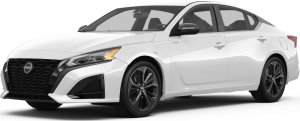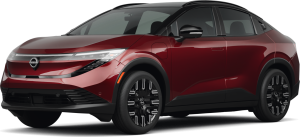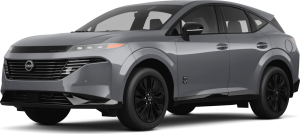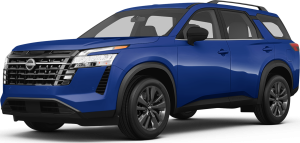
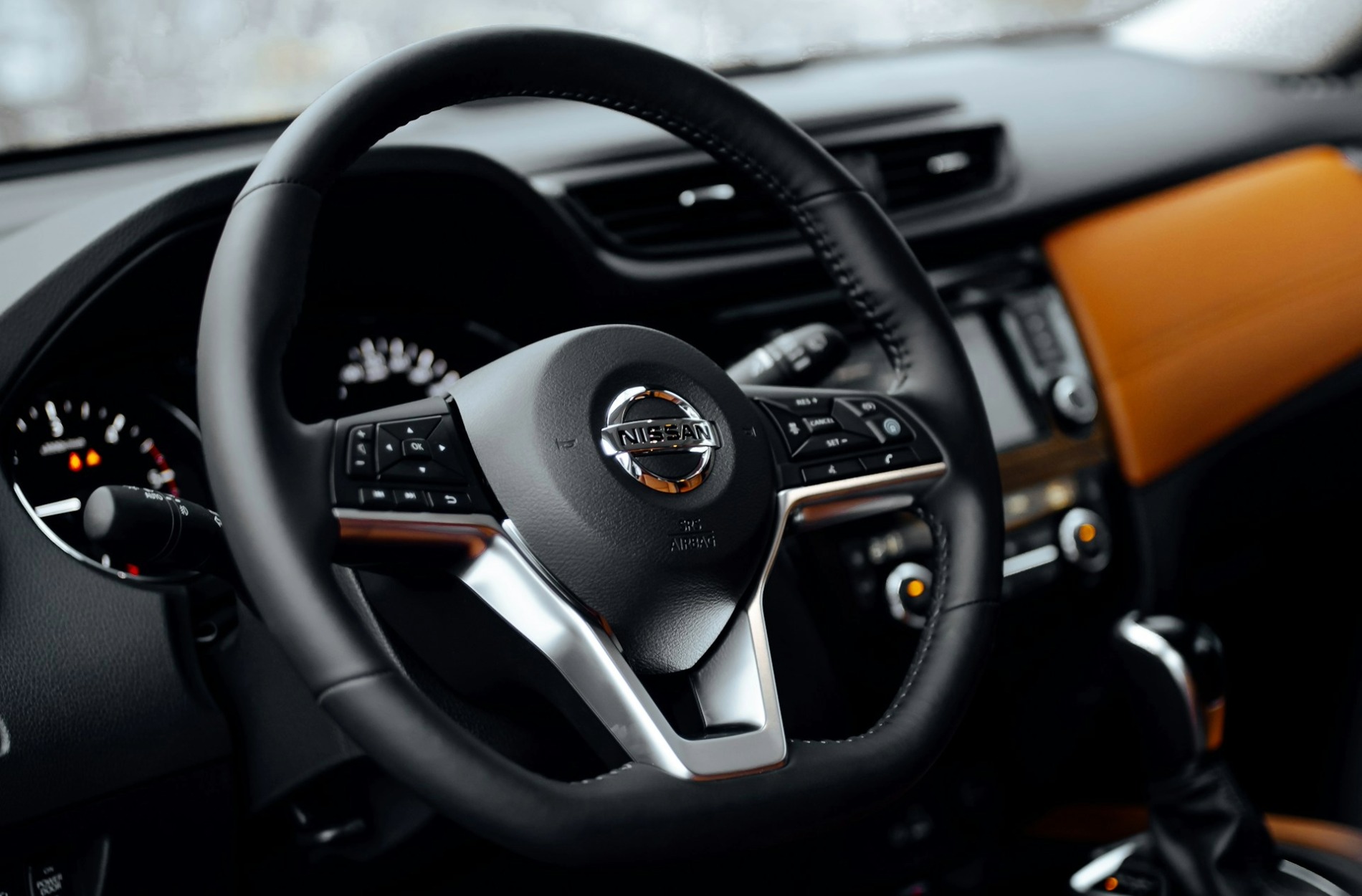
Electrical systems play a crucial role in ensuring that your Nissan runs smoothly. From powering your headlights to keeping the radio on, they are vital to the overall performance of your vehicle. When these systems fail, it can be a real headache, leaving you stranded roadside or causing persistent nuisances. Understanding the basics of your car's electrical system can help you identify problems early and seek appropriate solutions before they escalate.
One common sign of electrical failure is when the vehicle struggles to start. Other indications might include flickering dashboard lights, malfunctioning power windows, or problems with the radio. Recognizing these symptoms is the first step to addressing any issues. Troubleshooting electrical failures doesn't have to be intimidating. By learning about common problems and simple checks, you can save time and maybe even money by identifying when you need professional assistance.
Understanding Common Electrical Problems
Every car brand has its quirks, and Nissans are no exception. Some electrical issues are routine and can happen to anyone, so knowing how to spot these can be incredibly beneficial. Here are a few problems you might encounter:
- Dead Battery: This is perhaps the most common issue. Signs include engine hesitation or complete failure to start. Sometimes you might notice dimming lights, which can indicate that the battery isn’t holding a charge.
- Faulty Alternator: The alternator charges the battery while the car is running, so if it's malfunctioning, you might notice electrical components behaving oddly. Warning indicators on the dashboard are another clue, suggesting that the alternator isn’t effectively recharging the battery.
- Blown Fuses: A simple issue but easy to overlook. When a specific part of your car stops working, such as the headlights or horn, the problem might be as straightforward as a blown fuse.
- Starter Motor Issues: If the starter motor fails, your car won't start. This problem often presents itself with a clicking noise when you turn the key in the ignition.
For initial diagnosis, start by checking the battery terminals for corrosion. If they look greenish or white, corrosion might be disrupting the flow of electricity. Basic multimeter tests can measure voltage and help you assess whether the battery is still good. It's also wise to inspect the fuses and replace any that are blown. Knowing these basics can save you from some headaches. However, if these issues persist or worsen, professional help is the safest route.
Step-By-Step Troubleshooting Guide
When you're faced with electrical problems in your Nissan, it's helpful to have a process to follow. Start by looking under the hood at your battery. Make sure the connections are tight and free of corrosion. Sometimes a simple cleaning of the terminals can restore a functioning connection. If your battery's not the culprit, the issue might be with the fuses. Check the fuse box, which is usually located under the dashboard or in the engine compartment. Replace any fuses that appear burnt out.
Next, examine the wiring for any visible damage or loose connections. It's surprising how often a loose wire can be the root of a problem. If you suspect the alternator, listen for unusual sounds when the engine is running, and check for dimming lights or the battery warning light on your dashboard. If diagnostics seem too challenging, don’t hesitate to consult a professional. Safety should always come first, so if you're unsure, it's best to seek help.
When To Seek Professional Help
Sometimes electrical issues in a Nissan can be more complex than they seem at first glance. If you've tried basic checks and the problem persists, it's likely time to get professional advice. Signs that your electrical issues might be beyond basic troubleshooting include persistent failures, multiple systems acting up simultaneously, or if you notice a burning smell, which might suggest wiring problems.
Professionals can provide an accurate diagnosis with tools and expertise that aren't available to the average car owner. They can prevent further damage that might occur from improperly handled repairs. Using Nissan Parts in Suffolk County for any needed replacements ensures your vehicle maintains its reliability and performance, safeguarding your investment and peace of mind.
Preventative Maintenance Tips
Keeping your Nissan’s electrical system in top shape involves regular maintenance. A simple routine you can follow includes:
- Battery Checks: Regularly inspect your battery for corrosion and ensure it’s holding a charge, especially if your car sits idle for long periods.
- Inspect Lights: Make sure all lights are functioning well. Flickering or dimming can be early indicators of electrical issues.
- Check Fuses: Perform periodic checks on your fuses and replace any that are blown or worn out.
- Use Genuine Parts: Consider the quality and compatibility of parts. Using genuine Nissan parts ensures the best fit and function for your vehicle.
Suffolk County experiences seasonal changes that can affect your vehicle's performance, so adjust your checks accordingly. For instance, batteries can drain faster in cold weather, so winter time might require more frequent checks. By keeping up with simple maintenance, you can prevent the majority of electrical problems from occurring.
Keeping Your Nissan Reliable All Year Round
Troubleshooting and maintaining your Nissan’s electrical systems isn't just about addressing current issues but creating a reliable car that serves you well across all seasons. As you tackle minor electrical problems, remember that regular maintenance is a key component of long-term vehicle performance. Simple routines don’t just prevent headaches—they safeguard your daily journeys and peace of mind.
To keep your Nissan running smoothly, stay proactive with routine inspections and preventative measures. Replace worn-out parts promptly, and never hesitate to consult with a professional when faced with lingering issues. Your attention to these details ensures your car remains a dependable part of your lifestyle, ready for every adventure or daily commute right here in Suffolk County.
Keep your Nissan in prime condition and avoid unexpected breakdowns by addressing electrical concerns early. When it's time for replacements, using quality parts ensures longevity and reliability. To get the right fit for your vehicle, explore Nissan Parts in Suffolk County available through the Smithtown Nissan parts department. Your vehicle's health is an investment, and we're here to help you protect it every mile of the way.