
06-29-25

Using Nissan Tire Center for Your Maintenance Needs

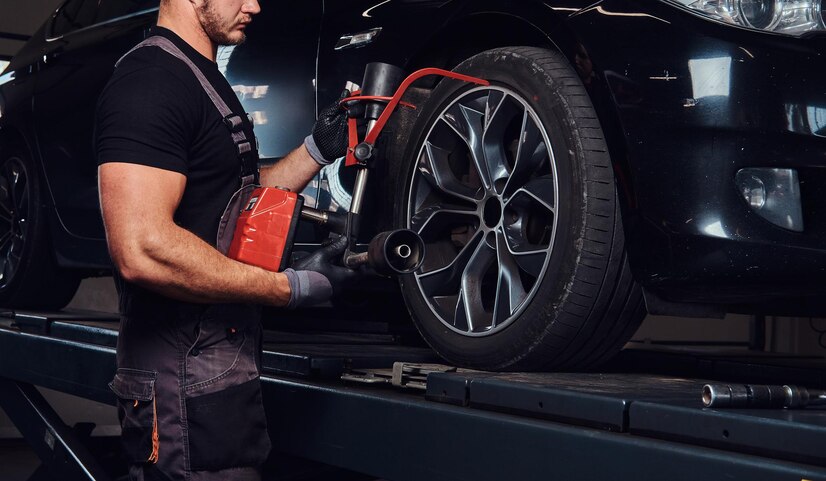
Taking care of your tires is like regularly checking up on your shoes; just as you'd maintain them to ensure comfortable walks, your car needs well-kept tires for smooth, safe rides. Proper tire maintenance is crucial not only for driving safely but also for keeping your car running efficiently. With regular care, you can avoid unexpected issues that may disrupt your daily routines and travel plans. Because tires are the direct connection between your vehicle and the road, paying attention to their condition can greatly impact your overall driving experience.

This is where the Nissan Tire Center in Suffolk County steps in. They provide all the tire-related services you might need, from routine checks to replacements and everything in between. Whether you're gearing up for a summer road trip or simply need a regular inspection to ensure your tires are in top shape, they have you covered.

Why Regular Tire Maintenance Is Important

Maintaining your tires well is key to a safe and effective driving experience. Here’s why keeping your tires in good condition can make a difference:

  • Safety: Well-maintained tires provide better traction and reduce the likelihood of accidents. Quality tire upkeep can prevent the risk of blowouts and make driving in various weather conditions, like rain, less hazardous.
  • Fuel Efficiency: Tires that are regularly checked and kept in top condition can improve your vehicle’s mileage. Properly inflated and aligned tires reduce drag, saving you more fuel in the long run.
  • Longevity: By rotating and balancing your tires often, you can extend their life. This means you'll need to replace them less often, saving you money and hassle.

Ignoring tire maintenance can lead to common problems. For example, under-inflated tires wear down more quickly and affect your car’s handling. Similarly, misaligned tires can cause uneven wear, making your car work harder on the road.

Making a habit of examining your tires will help catch small issues before they become major problems. It's like keeping a watchful eye on a garden; tending to its needs ensures healthy growth and blooming, while neglect can lead to unwelcome surprises.

Services Offered at Nissan Tire Center

When it comes to maintaining your tires, the Nissan Tire Center in Suffolk County offers a range of services to keep your wheels in top shape. Whether it's routine checks or specific repairs, every need is covered.

  • Tire Inspections and Pressure Checks: Regular inspections catch problems early. Technicians check for wear and tears, ensuring the tires are in good condition. Pressure checks are also vital, as properly inflated tires improve safety and handling.
  • Tire Rotations and Balancing: How you drive can cause tires to wear unevenly. By rotating them, you can help extend their life. Balancing ensures that the tire weight is distributed evenly, which improves your car's ride quality.
  • Wheel Alignment: If your steering feels off or your tires are noticeably wearing down more on one side, it might be time for an alignment. Misaligned wheels can cause your tires to wear out more quickly and affect control.
  • Tire Replacements and Repairs: Sometimes, repairs are needed to fix minor issues like punctures. When the damage is beyond repair, replacing the tire is the best choice. The center provides quality tires that fit various needs and budgets.

Choosing the right service for your situation can make life much easier, helping you drive with peace of mind and about what you need directly.

Advantages of Using Nissan Tire Center in Suffolk County

The Nissan Tire Center stands out for a few good reasons, making it the ideal choice for tire maintenance.

  • Expertise and Experience: The team is trained to handle all tire-related concerns, ensuring your vehicle gets the best care possible.
  • Genuine Parts and Tires: Quality matters, and using authentic Nissan parts ensures compatibility and reliability, boosting your car's performance.
  • Convenient Location and Customer Service: Located in Suffolk County, the center provides easy access to residents. The friendly team is ready to help, making each visit a pleasant experience.

These benefits make the center an excellent resource for all your tire needs.

How to Schedule Your Tire Maintenance at Smithtown Nissan

Setting up your tire maintenance is simple and can be done in a few easy steps:

1. Visit the Website: Go to the Smithtown Nissan website and locate the service section.

2. Choose the Right Service: From tire checks to full inspections, pick what fits your needs.

3. Schedule an Appointment: Use the online booking system to select a convenient time slot for your visit.

Upon arriving for your scheduled maintenance, you can expect comprehensive service catered to your vehicle's requirements. Between visits, keep your tires clean and check for any visible issues to extend their lifespan.

These steps ensure your tires remain in good condition, reducing the chances of encountering any unexpected problems on the road.

Ensure your vehicle remains in peak condition by prioritizing regular tire care. Discover how the Nissan Tire Center in Suffolk County can help maintain your ride with comprehensive services that cater to all your tire needs. Explore the expertise available at Smithtown Nissan and schedule your maintenance today.


Read More

04-29-25

Handling Overheating Issues in Your Nissan

Owning a Nissan is a joy, offering reliability and performance. However, even the most dependable vehicles can face challenges like overheating, especially during warm months or long drives. Overheating not only affects your car's performance but can also lead to further mechanical issues if not promptly addressed.

If you reside in Suffolk County, knowing how to handle these situations is vital, given the specific climate conditions. The heat of summer can intensify the risk of overheating, turning a routine drive into a source of stress. It's important to spot the signs early, understand the common causes, and act quickly to prevent damage.

Common Causes of Overheating

Understanding why your Nissan may be overheating is the first step in tackling the issue. Here are some typical reasons:

  • Coolant Issues: The most common culprit is insufficient coolant. Coolant plays a crucial role in keeping your engine at the right temperature. If there's a leak or the levels are too low, overheating can quickly become a problem.
  • Radiator Problems: A clogged or malfunctioning radiator may restrict coolant flow, preventing the engine from cooling down. Radiator leaks or blockages are common in areas with high mineral content in the water supply, which can be the case in Suffolk County.
  • Thermostat Failure: The thermostat regulates the flow of coolant. If it gets stuck closed, the coolant can't circulate, resulting in the engine overheating.
  • Water Pump Issues: The water pump's job is to move coolant through the engine. If it fails, coolant circulation will halt, leading to increased engine temperatures.

Let's consider this scenario: driving through the scenic routes of Long Island, you notice the heat gauge climbing higher than usual. The time to act is now, before it becomes a bigger issue.

Immediate Steps to Take When Your Nissan Overheats

Acting fast can make a difference. Here’s what you should do when you notice your Nissan overheating:

  • Turn Off the AC and Crank Up the Heat: It sounds strange, but this draws heat away from the engine into the passenger compartment. It's not a comfortable solution, but it helps to cool the engine.
  • Find a Safe Spot to Pull Over: Safely park your car on the side of the road or in a nearby parking area. Here's where being in Suffolk County is beneficial, with its ample roadside parks.
  • Turn Off the Engine: Letting it rest cools it down. Do not open the hood immediately; doing so can cause burns from steam or hot engine components.
  • Check Coolant Levels: After waiting for about 15 minutes, open the hood and check the coolant reservoir. Top it off if it’s low, but remember never to open the radiator cap when it's hot.

Taking these steps promptly can prevent further damage, making a stressful situation more manageable. Keeping calm and knowing what to do helps not only in fixing the issue but also in maintaining your vehicle’s good health.

Preventative Maintenance Tips to Avoid Overheating

Preventative care is key to keeping your Nissan in top shape and avoiding the stress of overheating. Here are a few tips to help maintain your vehicle’s cooling system and keep it running smoothly, especially under the conditions unique to Suffolk County:

  • Regular Coolant Checks: Make it a habit to check your coolant levels regularly. Top off with the correct coolant for your Nissan if it gets low. Doing so ensures the cooling system remains effective, especially during those hot summer days.
  • Inspect the Radiator and Hoses: Check the radiator and hoses for any signs of wear or leaks. This can include looking for cracked hoses, rust build-up, or wet spots that suggest leaks. A simple inspection can save you from a headache on the road.
  • Keep an Eye on the Thermostat: Replace the thermostat when it's due. A functioning thermostat is vital to maintaining the right engine temperature.
  • Clean and Clear Radiator: Ensure your radiator is free from debris and mud that could impede air circulation. Washing it down with water occasionally can prevent blockages from becoming a problem.

Understanding the seasonal shifts in Suffolk County, especially as the temperature rises, helps remember when to pick up on these tasks. With proactive maintenance, you'll keep your vehicle in great health and avoid unexpected overheating issues.

Professional Help and Nissan Services

Sometimes, the best approach is to leave it to the professionals. Here’s why seeking expert help can be beneficial:

  • Advanced Diagnostic Tools: Professional technicians have the right tools to accurately diagnose cooling system issues, something that might not be as easy to pinpoint on your own. They can identify the exact cause and recommend the best solution.
  • Expertise and Experience: Technicians with experience in servicing Nissans have an edge in understanding the quirks and needs of your specific model. They know what to look for and can often catch issues before they become a problem.
  • Comprehensive Services: Beyond just addressing overheating issues, professionals can provide thorough check-ups. This helps to ensure other systems, like the brakes and suspension, aren’t also facing stress from excess heat.
  • Local Knowledge: Professionals in Suffolk County understand the local driving conditions and can advise you on any specific maintenance tweaks needed for your area, ensuring that your Nissan stays cool even on the hottest days.

Keep Your Nissan Cool and Running Smoothly

Staying on top of your Nissan’s cooling system and maintenance ensures smoother rides and fewer headaches. Regular checks, both DIY and professional, are simple steps toward preventing overheating issues. These measures save not only time but also potential costs from unexpected repairs. By caring for your car's needs specific to Suffolk County, you can look forward to more enjoyable and worry-free drives.

Taking these actions helps keep your vehicle at its best, helping you enjoy every drive in comfort and safety. When it comes time for professional assistance, you know that you're covered, ensuring your Nissan remains a reliable companion on every adventure.

Ensure your Nissan stays in top condition with the right support. Trust the experts at Smithtown Nissan to handle your vehicle's needs with precision and care. Discover our comprehensive range of Nissan services in Suffolk County to tackle overheating issues and more, giving you peace of mind on every drive. Let Smithtown Nissan be your partner in maintaining a smooth and reliable ride.

Keep your Nissan in prime condition with regular checks and professional care. Trust Smithtown Nissan to provide top-notch service and expertise for all your vehicle needs. Explore our Nissan parts in Suffolk County to ensure your car runs smoothly and stays cool on the road. Let us help you maintain a stress-free driving experience in every season.

Keep your Nissan running smoothly and avoid the stress of overheating with expert care and genuine parts. Explore our comprehensive Nissan parts Suffolk County and let Smithtown Nissan be your partner in vehicle maintenance. Trust our experienced technicians to keep your car in peak condition for a safe and reliable driving experience. Schedule your service with us today for peace of mind on every journey.

Read More
CATEGORIES »
TAGS »

04-29-25

The Importance of Regular Nissan Service and Maintenance

Keeping your Nissan in top shape is key to enjoying a smooth and reliable driving experience. Regular service and maintenance play a significant role in ensuring that your vehicle performs well and lasts longer. Whether it's routine oil changes or more extensive system check-ups, staying committed to a maintenance schedule can save you headaches down the road. Understanding the services your car needs and when they are required helps maintain peak performance while ensuring safety.

Regular service is not just about fixing problems when they arise; it's also about preventing them from occurring in the first place. For those in Suffolk County, leveraging expert Nissan customer service ensures your vehicle gets the attention and care it deserves, helping you avoid major repairs and extending the lifespan of your car. Let's explore why regular maintenance is something that every Nissan owner should prioritize.

Preventative Maintenance

Preventative maintenance is all about addressing potential issues before they can escalate into significant problems. This proactive approach to vehicle care includes routine checks and timely servicing to ensure everything under the hood is working smoothly. Keeping up with routine maintenance can prevent costly repairs in the future and keep your Nissan performing at its best.

Here's what preventative maintenance typically involves:

  • Oil Changes: Vital for keeping the engine lubricated and running efficiently.
  • Brake Inspections: Ensure your brakes are responsive and safe.
  • Tire Rotations: Promote even tire wear and extend tire life.
  • Fluid Checks: Make sure all vehicle fluids are topped off and free from contamination.

Following the manufacturer’s service schedule is crucial because it’s specifically designed to fit your vehicle's needs. This schedule helps to remember these important checks and ensures nothing gets overlooked. Regular maintenance checks pave the way for optimal vehicle performance, longer lifespan, and peace of mind every time you hit the road.

Key Services for Optimal Performance

Regular service for your Nissan isn't just about keeping it running; it's about ensuring the car performs at its best all the time. Some services stand out because they have a significant impact on your vehicle's performance and safety.

  • Oil Changes: This simple service keeps your engine lubricated and running smoothly.
  • Brake Inspections: Regular inspections confirm your brakes are in top shape, ensuring they respond effectively when needed.
  • Tire Rotations: Moving tires from one position to another promotes even wear and extends their lifespan.
  • Fluid Checks: Ensure that all essential fluids are topped up and clean, from the engine coolant to brake fluid.

Using genuine Nissan parts during these services is essential. They fit your vehicle perfectly and preserve its quality and efficiency. Regular servicing also plays a crucial role in boosting your car's fuel efficiency and guaranteeing your safety on the road.

Seasonal Maintenance Checks

Every season brings unique challenges for your car, so understanding what your Nissan needs throughout the year keeps it running smoothly. For example, as winter turns to spring, it's essential to swap out winter tires for all-season ones. Preparing your Nissan for the summer involves checking the AC system and ensuring the coolant system functions effectively to avoid overheating.

When fall arrives, pay special attention to your wiper blades and heating systems to ensure they're ready for the upcoming cold. Remembering these seasonal tweaks prevents unexpected breakdowns and keeps your car performing optimally all year round.

Trusting Professional Nissan Service

Choosing a certified Nissan service center guarantees that skilled technicians address your car's needs accurately and thoroughly. These professionals are trained explicitly on Nissan vehicles, providing peace of mind that no detail is overlooked. When it comes to car care, trust is everything. You wouldn’t hire just anyone to cook your meals, so why choose anyone but a certified technician to service your vehicle?

Using an authorized service center means having access to the latest service bulletins and special service tools that independent shops might not have. This access ensures that whatever service your Nissan needs, it receives the most up-to-date care.

Keeping Your Nissan in Peak Condition

Regular service and maintenance top the list for ensuring your Nissan remains safe and reliable for years to come. Every check-up and service your vehicle undergoes contributes to its longevity and overall performance. When it’s time for the next service appointment, it’s a step towards preserving your investment and ensuring smooth rides ahead.

The road to a long-lasting, well-performing vehicle doesn’t have to be complicated. Make regular service a part of your routine, and enjoy the peace of mind that comes with knowing your car is in its best possible shape. The little time you spend now will pay dividends in the future, keeping your Nissan ready for whatever lies on the road ahead.

Keep your vehicle running smoothly with trustworthy service. Schedule your maintenance with Nissan customer service in Suffolk County to ensure your Nissan performs at its peak. The skilled team at Smithtown Nissan is ready to assist in maintaining your car's longevity and efficiency. Don't wait. Keep your car in great shape today.

Read More
CATEGORIES »
TAGS »

04-13-25

How to Select the Right Tires for Your Nissan Vehicle

Picking the right tires for your Nissan is more than just a practical choice—it's a crucial decision that affects your vehicle's performance, safety, and efficiency. Whether you're driving on dry highways, wet streets, or snowy paths, the right set of tires can make a significant difference.

From all-season tires that handle various weather conditions to specialized tires tailored for performance or winter terrain, each type serves a unique purpose. Understanding these options helps you make informed decisions. Navigating tire sizes, compositions, and treads ensures your Nissan stays safe and performs well under different conditions.

Maintaining your tires is equally important for extending their life and keeping your drives smooth and secure. By focusing on choosing the right tires and ensuring they remain in top condition, you maximize your driving experience and safety on the road.

Understanding Tire Types and Their Functions

Choosing the right tire involves understanding the various types available and their specific uses. All-season tires are versatile and work in a variety of weather conditions, making them a popular choice for everyday driving. They offer a balanced mix of traction, comfort, and longevity.

Performance tires enhance a vehicle's handling and response. They typically have better traction on both wet and dry roads but may wear out faster due to softer rubber. Each tire type serves particular needs and can greatly improve your driving experience based on the conditions you typically face. Whether you prioritize a smooth ride or sporty handling, selecting the right type is essential for getting the most out of your Nissan.

Identifying the Right Tire Size for Your Nissan

Choosing the correct tire size for your Nissan is crucial for safety and performance. Tire size is indicated on the sidewall of the tire and includes a series of numbers and letters, such as P215/65R15. Here’s what they mean:

  • P: Indicates the tire is for passenger vehicles.
  • 215: Represents the width of the tire in millimeters.
  • 65: The aspect ratio, indicating the height of the tire's sidewall as a percentage of the width.
  • R: Stands for radial construction.
  • 15: The diameter of the wheel in inches.

To maintain your vehicle's performance, it's important to choose tires that match the original specifications. Incorrect sizes can affect handling, fuel efficiency, and even cause wear or damage to the suspension system. When in doubt, consult your vehicle’s manual or a professional to ensure you pick the right size for your Nissan.

Key Factors to Consider When Choosing Tires

Several key factors should be evaluated when selecting tires for your Nissan. Your driving style significantly impacts this decision. Are you a spirited driver who enjoys fast corners, or do you prefer a leisurely pace? Your tire choice should reflect that.

Climate is another crucial factor. If you live in an area with heavy snowfall, winter tires might be essential. Conversely, if you experience mild weather year-round, all-season tires will likely suffice. Budget also plays a role, as tires can vary widely in price. Consider the long-term advantages and how often you plan to change them.

Tire tread patterns and rubber compounds also influence your driving experience. Treads determine traction on different surfaces, while rubber compounds affect grip and durability. Keep these aspects in mind when finding tires that suit your driving conditions and preferences.

Maintaining Your Tires for Longevity

Proper tire maintenance is key to their longevity and safety. Start by regularly checking tire pressure, as correct inflation improves fuel efficiency and reduces wear. Underinflated tires can harm your vehicle's handling and even lead to blowouts.

Here are a few more tips:

  • Rotate Tires: Rotate tires every 5,000 to 8,000 miles to ensure even tread wear.
  • Check Alignment: Have your alignment checked if you notice uneven tire wear or your vehicle pulls to one side.
  • Balance Tires: Proper tire balancing reduces vibration and extends tire life.

Regular inspections help detect issues before they become significant problems. Check for damage or punctures, particularly after long trips or rough road conditions.

Conclusion

Choosing the right tires and maintaining them well greatly impacts your vehicle’s safety and performance. By understanding different tire types and sizes and keeping an eye on key factors like driving style and climate, you make informed decisions that will keep your ride smooth and secure. Regular maintenance ensures you get the most out of your tires, saving you money and enhancing your driving pleasure.

Looking for the perfect tires or have questions about your Nissan's needs? Contact Smithtown Nissan. Our experts at our Nissan tire center in Suffolk County are ready to assist you with all aspects of tire selection and maintenance, helping you ensure a safe and enjoyable drive every time. Book a service appointment today! 

Read More
CATEGORIES »
TAGS »

04-13-25

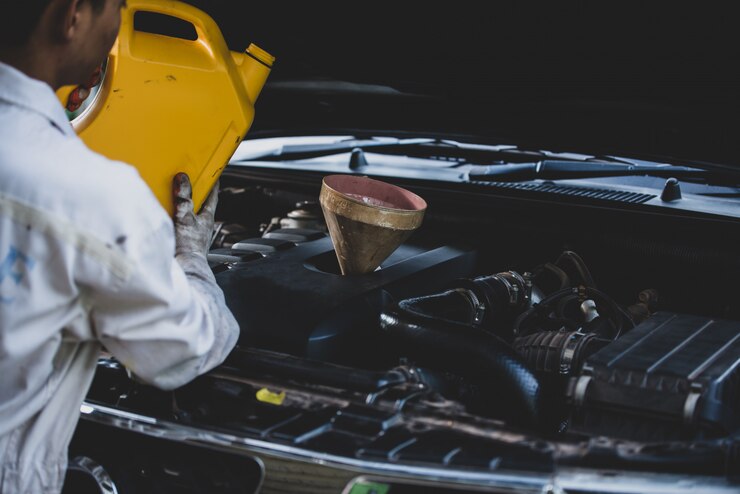
How Regular Oil Changes Benefit Your Car’s Engine

Taking good care of your car involves more than just keeping it clean and polished. One of the simplest yet most crucial maintenance tasks is regular oil changes. Engine oil is the lifeblood of your car's engine, ensuring that all the moving parts run smoothly and efficiently. By changing the oil regularly, you help your car perform at its best and increase its lifespan.

Neglecting oil changes can spell trouble for your engine. Old, dirty oil loses its ability to lubricate properly, leading to more wear and tear. Worse still, it can cause engine parts to overheat or even seize up, leading to costly repairs. Regular oil changes aren't just a habit; they're a smart choice for keeping your vehicle healthy.

Understanding the importance of timely oil changes helps you make informed decisions about your car's maintenance. By sticking to a regular schedule, you not only improve your car's performance but also enjoy peace of mind knowing your engine stays in top shape.

The Importance of Clean Engine Oil

Clean engine oil is essential for keeping your car running smoothly. It acts like a barrier between the moving parts in your engine, reducing friction and wear. As these components move quickly, they generate heat and can easily wear out if not properly lubricated. Clean oil ensures that the engine operates smoothly, minimizing the risk of parts grinding against each other and causing damage. This not only extends the life of your engine but also helps maintain its performance.

Besides lubrication, engine oil also plays a vital role in regulating the temperature of your engine. As the oil circulates, it absorbs heat, preventing the engine from overheating. This heat is carried away from the engine components, helping maintain a stable operating temperature.

Moreover, clean oil filters out contaminants like dirt and metal particles that can accumulate over time. By trapping these impurities, the oil aids in keeping the engine clean and functioning at its best. Proper oil changes ensure a healthy, efficient engine that you can rely on every day.

Consequences of Skipping Regular Oil Changes

Neglecting regular oil changes can have serious consequences for your car's engine. Without clean oil, your engine becomes prone to several issues that can affect its performance and longevity. One of the most common problems is the buildup of engine sludge—a thick, tar-like substance that forms when old oil breaks down. This sludge clogs engine passages and restricts oil flow, causing the engine to work harder than necessary.

Dirty or old oil also reduces the engine's efficiency. The increased friction from poor lubrication leads to higher fuel consumption and decreased power output. You might notice your car feels sluggish or isn't as responsive as it used to be. Over time, these small inefficiencies can add up, making your daily drives less enjoyable and more expensive.

Worse still, skipping oil changes can lead to costly repairs. Without proper lubrication and cooling, engine components wear out quickly. This can result in severe damage and even engine failure, requiring extensive and expensive repairs. Regular oil changes are a small investment that protects against these significant problems, ensuring your vehicle remains reliable and functional.

Understanding Oil Change Intervals

Knowing when to change your car's oil is key to maintaining a healthy engine. The frequency of oil changes can vary based on several factors, like the type of vehicle you drive, your driving habits, and the type of oil used.

Traditionally, many car owners aim for an oil change every 3,000 miles or three months. However, advancements in engine design and oil technology allow for longer intervals, typically around 5,000 to 7,500 miles, and sometimes even up to 10,000 miles for newer models using synthetic oil.

Refer to your car’s owner manual for Nissan’s specific guidelines. The manual details recommended oil change intervals tailored to your vehicle's engine specifications, ensuring smooth and trouble-free performance.

Factors like frequent short trips, heavy loads, and extreme temperatures might require more frequent changes. Regular oil changes in line with Nissan’s recommendations help preserve engine performance and avoid potential long-term damage. Thus, being proactive about when to schedule these services keeps your Nissan in top shape and extends its lifespan.

Benefits Beyond Engine Health

Regular oil changes provide a host of benefits beyond just keeping the engine healthy. One of the significant advantages is improved fuel efficiency. Clean oil reduces friction in the engine, allowing it to run more smoothly and consume less fuel. That means fewer trips to the pump and more savings in your pocket over time.

Another important benefit is reduced emissions. Fresh oil helps your engine operate efficiently, which can decrease harmful exhaust emissions. This helps keep the environment cleaner and ensures your vehicle passes emissions testing.

Consistent oil changes also contribute to your car's longevity. Regular maintenance not only extends the engine life but also boosts the overall durability of your vehicle. This maintenance habit pays off when it comes time to sell or trade your car. Rest assured, a well-maintained vehicle with documented service records commands a better resale value. By investing in regular oil changes, you’re investing in the future health and value of your Nissan.

Conclusion

Taking care of your Nissan with regular oil changes brings numerous benefits that go beyond engine care. It enhances your vehicle's performance, boosts fuel efficiency, and ensures a cleaner environment. By following the guidelines for oil change intervals and keeping up with scheduled maintenance, you are safeguarding your car against potential issues and extending its useful life.

Embracing consistent care routines is crucial for anyone wanting to get the most out of their vehicle. With routine oil changes and regular check-ups, you ensure that your Nissan remains reliable and efficient every step of the way. When you understand the importance of this simple maintenance task, you keep your car running smoothly and ensure it remains a dependable companion for miles to come.

Make the smart choice for your vehicle’s health by scheduling your next Nissan oil change on Long Island with Smithtown Nissan. Our expert team is ready to help you maintain your Nissan’s performance and safety so you can drive confidently. Contact us today and experience the peace of mind that comes with expert care.

Read More
CATEGORIES »
TAGS »

04-13-25

Signs It’s Time to Replace Your Car’s Suspension System

Your car's suspension system might not be visible, but it plays a crucial role in ensuring a smooth ride and safe handling. Acting as a buffer, it absorbs the shocks from driving over bumps and uneven roads, keeping your ride steady and comfortable. A healthy suspension system is vital for maintaining control, especially when cornering or braking.

Noticing changes in how your car handles can indicate possible suspension issues. Recognizing these warning signs early can prevent bigger problems down the road. By understanding what to look for, you can ensure your vehicle remains safe and comfortable to drive.

Understanding Your Car's Suspension System

A vehicle’s suspension system is like its backbone, ensuring you have a safe and comfortable ride. It absorbs the shocks and vibrations from the road, providing stability and control while driving. When you drive over a bump, the suspension works to keep the tires in contact with the road, minimizing any bouncing and swaying for a stable journey. It plays a crucial role in steering, as well as allowing the wheels to turn effectively while maintaining grip on the road.

The suspension system is made up of several key components. Shocks, or shock absorbers, help control the movement of springs and other suspension parts, damping the energy from road impacts. Struts combine the functions of a shock absorber and a coil spring, offering structural support to the suspension and wheel alignments.

Springs, whether coil, leaf, or torsion bars, bear the load of the vehicle's weight and enable smooth up-and-down movement. Each part works together to maintain balance, improve ride quality, and enhance vehicle handling. Keeping these components in good condition is essential for your vehicle’s overall performance.

Common Symptoms of Suspension Issues

Recognizing signs of suspension trouble early can prevent further damage and ensure your safety. Common symptoms that indicate suspension problems include uneven tire wear, where tires show different levels of tread wear across the surface.

This usually means the wheels aren't aligned properly due to suspension issues. If you notice your car leans to one side or bounces excessively after hitting a bump, it might be a sign that the shocks or struts are worn out.

Strange noises like clunks or squeaks when turning or going over bumps can also reveal suspension issues. Poor handling, such as excessive body roll during turns or feeling every bump in the road, signals that the suspension isn’t effectively absorbing impacts. These problems directly impact how your car is handled, affecting stability and passenger comfort.

Addressing these signs promptly is crucial to keeping your vehicle safe and enjoyable to drive. Regular checks can catch issues before they worsen, saving you from costly repairs and ensuring a comfortable ride.

Factors Contributing to Suspension Wear

The wear and tear on your car's suspension system can happen over time. Various factors contribute to this wearing process, and understanding them can help you take better care of your vehicle. Rough road conditions, such as potholes and gravel roads, put stress on the suspension components. Driving over these surfaces regularly can lead to faster wear.

Additionally, your driving habits play a significant role. Aggressive driving, including quick starts, hard braking, and sharp turns, can accelerate the wear on the suspension. It’s important to drive smoothly to protect these components. Overloading your vehicle beyond its recommended capacity also strains the suspension system, leading to quicker degradation.

Regular inspections and maintenance checks are crucial in mitigating these issues. By scheduling routine checks, especially when driving conditions are harsh or if you notice changes in how your car handles, you can catch problems early.

Checking the suspension components during oil changes or tire rotations can help. Keeping up with these inspections not only prolongs the life of your suspension system but also ensures your vehicle handles safely and comfortably.

When to Seek Professional Help

Knowing when to seek professional help is essential to maintaining your car's suspension system. A professional evaluation is vital for an accurate diagnosis of potential issues. Experienced technicians have the tools and expertise to measure and test the system effectively, identifying problems that may not be visible to the untrained eye.

A comprehensive suspension system check involves several steps at a service center. Technicians will visually inspect your suspension parts, including shocks, struts, and springs, for any signs of damage. They may use diagnostic tools to test alignment and balance. Additionally, they will listen for unusual noises and assess how the car handles on a test drive.

This evaluation helps ensure that your suspension system is functioning properly or identifies any necessary repairs. Addressing issues early can save you from more costly repairs later and keep your car safe to drive. Trusting a professional to handle these checks gives you peace of mind, knowing that your vehicle is in good hands.

Conclusion

Recognizing signs of wear in your car's suspension system helps maintain your vehicle's safety and performance. Regular inspections, understanding driving habits, and making timely repairs are keys to extending the life of the suspension components. By taking these steps, you ensure a smoother ride and safer experience on the road.

Don't ignore the signs of suspension issues in your Nissan. If you've noticed any of these warning signs or want a professional check-up, contact Smithtown Nissan. Our Nissan service center in Smithtown is ready to provide a thorough suspension evaluation and help keep your car running smoothly. Contact us today and drive with confidence, knowing you're taking the best care of your vehicle.

Read More
CATEGORIES »
TAGS »

04-08-25

Best Practices for Extending the Life of Your Car Battery

Your car battery is more than just a power source; it's the heart of your vehicle's electrical system. Without it, your car wouldn't start, and many of the modern conveniences would be inaccessible. Whether you're commuting to work or heading out on a road trip, ensuring your battery's health is crucial for a reliable driving experience.

Understanding the essentials of car battery care can help keep your vehicle running smoothly. Simple maintenance and smart habits can significantly extend the life of your battery, saving you from unexpected breakdowns. By following a few best practices, you can avoid the hassle of a drained or dead battery and keep your Nissan in peak condition.

Understanding Car Battery Basics

Car batteries are crucial for powering your vehicle. They store energy to start the engine, run lights, and power electronics like the radio. Think of them as your car's heart, pumping energy where it's needed most. Without a healthy battery, getting your car to start on a chilly morning would be a tough task.

Most Nissan vehicles use lead-acid batteries, which are known for delivering the high current necessary to start engines. These batteries contain cells filled with sulfuric acid and lead dioxide, which work together to create electricity. 

Some newer models might use Absorbent Glass Mat (AGM) batteries. These batteries are sealed and have fiberglass mats to absorb the acid. They're more resistant to vibrations, making them ideal for tough driving conditions. Both types are designed to work well in Nissan vehicles, ensuring they provide reliable power and start performance.

Knowing the basics of your car battery helps you understand what keeps your Nissan moving. By learning about the different types, you can make informed decisions about maintenance and replacement, keeping your car running smoothly and efficiently.

Proper Maintenance Habits

Maintaining your car battery involves a few simple checks and tasks. Regular maintenance keeps your battery healthy and extends its life. Here’s a handy list to follow:

  • Check the Battery Charge: Use a multimeter to ensure your battery voltage is around 12.6 volts.
  • Inspect the Battery Case: Look for any physical damage or leaks, which could indicate a problem.
  • Clean the Terminals: Corrosion around the terminals can prevent your battery from working well. Use a mixture of baking soda and water to clean them.
  • Secure the Battery: Make sure the battery is tightly secured to avoid vibrations and movement.

Cleaning battery terminals and checking cable connections are important aspects of maintenance. Corrosion on the terminals can stop power from flowing properly. To clean them, disconnect the cables, starting with the negative terminal. Clean both the cables and the terminals with a wire brush. Ensure they're tight when reconnecting.

These regular checks and cleaning habits can significantly improve battery life. Giving attention to detail keeps your car ready to go, preventing unexpected breakdowns and maintaining performance.

Tips for Battery Longevity

Making simple changes to your habits can greatly extend the life of your car battery. Here’s how you can keep your battery lasting longer:

  • Avoid Leaving Lights On: Always make sure to turn off your headlights and car interior lights. Even leaving a small light on can drain your battery overnight.
  • Limit Electronic Use When the Engine Is Off: Use electronics like the radio or GPS sparingly without the engine running to prevent unnecessary battery drain.
  • Don’t Turn On Electronics Before Starting: To reduce the strain on the battery, turn off all accessories before cranking the engine.

Another crucial tip is to store your car in moderate temperatures whenever possible. Extreme heat or cold can place stress on the battery, reducing its ability to hold a charge. Parking in a garage helps protect the battery from harsh weather.

By following these simple steps, you can help ensure your car's battery remains strong and reliable, allowing you to hit the road with confidence any day.

Recognizing and Responding to Battery Issues

Spotting signs of a failing battery early helps prevent sudden breakdowns. Keep an eye out for these warning signals:

  • Slow Engine Crank: The car takes longer to start, or the engine cranks slower than usual.
  • Dim Lights: Interior lights look dim when starting the car.
  • Unusual Smell: A rotten egg smell might indicate a leaking battery.

If any of these symptoms appear, it might be time for a closer look. First, check if the battery connections are tight. Inspect for corrosion and clean the terminals if necessary. If problems persist, it's wise to seek help from a professional who can perform a comprehensive battery test. Professional checks are invaluable, ensuring your battery is working as it should and identifying any underlying issues.

Conclusion

Your car battery is a vital component that requires care and attention to keep your vehicle running smoothly. By understanding how to maintain and protect your battery, you extend its life and prevent unexpected issues. Remember to practice good maintenance habits, take simple steps to conserve battery power, and be alert to warning signs of battery trouble.

When it's time for expert advice or a thorough checkup, Smithtown Nissan is here to help. Our experienced technicians offer comprehensive battery services, ensuring your Nissan stays road-ready and reliable. Schedule Nissan service on Long Island today! 

Read More
CATEGORIES »
TAGS »

04-08-25

How to Maintain Your Car’s Brakes for Optimal Performance

Keeping your car's brakes in top condition is crucial for your safety and the performance of your vehicle. Whether you're driving a new Nissan or enjoying the ride of a well-loved used car, understanding brake maintenance can prevent potential issues before they become serious problems. Regular care ensures that your brakes respond when you need them most, providing peace of mind on every journey.

Brake systems involve several essential components that require attention from time to time. Knowing what to look for and how to conduct basic maintenance can make a big difference in how your brakes perform. While some tasks are simple enough to do on your own, others might require a professional touch.

Understanding Brake System Components

Your car's brake system plays a vital role in keeping you safe on the road. It consists of several key components that work together to ensure effective braking. Understanding these components helps you appreciate their function and importance.

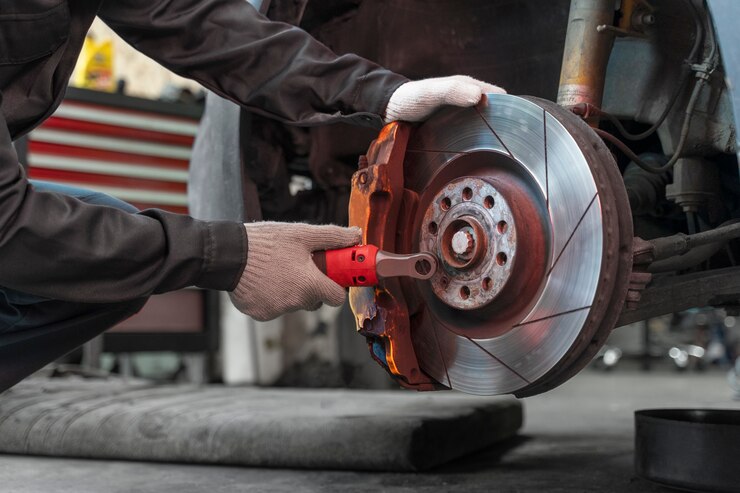
  • Brake Pads: These are the parts that press against the rotors to create the friction needed to stop the car. They wear down over time and need regular replacement.
  • Rotors (or Discs): Attached to each wheel, rotors spin along with the wheels. When brake pads press against them, they slow the car down by transforming kinetic energy into heat.
  • Calipers: These act like a clamp around the rotors. They hold the brake pads and, when activated by brake fluid pressure, apply force to the pads against the rotors.

Each component contributes significantly to overall performance. The pads must offer a balance of durability and gripping power. Rotors need to be smooth and undamaged to maintain stable braking. Meanwhile, calipers must apply consistent pressure to keep everything working harmoniously.

Signs of Brake Wear and Tear

Keeping an ear and eye out for certain signs can alert you to brake wear and tear. These indicators can suggest the need for inspection or repair:

  • Squeaking or Squealing Noises: These are often signs that your brake pads are wearing thin and may need replacement.
  • Vibrating or Pulsating: If the brake pedal vibrates when pressed, it could indicate warped rotors that need attention.
  • Reduced Responsiveness: If you need to press the brake pedal further than usual, it may signal an issue with the hydraulic system or air in the brake lines.
  • Grinding Sounds: This harsh noise might mean the brake pads have worn down completely, allowing the metal underneath to scrape the rotors.

When you notice these symptoms, it's crucial to have a brake check or replacement scheduled to prevent further damage. Ignoring signs of wear can lead to more extensive damage and compromise your vehicle's safety. Regularly monitoring these signs helps maintain your brakes in top condition, ensuring your safety and the performance of your Nissan.

Routine Brake Maintenance Tips

Properly maintaining your brakes enhances their lifespan and ensures they function when you need them most. Here’s a step-by-step guide to simple brake maintenance tasks you can perform:

  • Check Brake Fluid Levels: Open the hood to locate the brake fluid reservoir and ensure levels are between the minimum and maximum marks. Top it up if necessary, using the manufacturer's specified fluid.
  • Inspect Brake Pads and Rotors: Look through the wheel spokes to check the pad thickness. If they appear thin, it’s time to replace them. Inspect rotors for visible grooves or scoring.
  • Listen and Feel: Pay attention when driving for any unusual noises or vibrations when applying brakes.
  • Test Brake Responsiveness: Ensure the pedal feels firm and does not sink to the floor. Any sponginess could indicate leakage or air in the system.

Perform these tasks every few months or sooner if you frequently drive in heavy traffic or steep terrains. Consistent maintenance catches issues early, preventing costly repairs and keeping your car safe on the road.

Importance of Professional Brake Inspections

Even with regular maintenance, having your brakes inspected by professionals is crucial. Certified technicians bring expertise and tools that ensure thorough evaluations beyond simple do-it-yourself checks.

Professional inspections are essential for several reasons:

  • Comprehensive Diagnostics: Technicians use specialized tools to detect issues that may not be visible or audible during everyday driving.
  • Safety Assurance: They ensure all components are working correctly, maintaining both safety and performance.
  • Expertise in Complex Systems: Technicians offer in-depth knowledge on intricate brake system components, providing accurate assessments and repairs.

During a brake inspection at a service center, you can expect a detailed review of the entire system, including pads, rotors, calipers, and brake lines. Technicians check for wear and suggest any necessary replacements or adjustments. This thorough process guarantees your brakes are in optimal condition, reducing risks and enhancing driving confidence.

Conclusion

Maintaining and understanding your brake system is vital for safe driving. By learning about the components, recognizing signs of wear, and practicing routine care, you preserve the effectiveness of your brakes. Regular professional inspections further guarantee that your vehicle's braking system remains responsive and reliable.

Stay on top of your brake maintenance by scheduling a Nissan brake service in Smithtown. At Smithtown Nissan, our expert technicians are ready to keep your brakes performing optimally, ensuring you drive safely and confidently. Contact us today and experience peace of mind with our quality brake service!

Read More
CATEGORIES »
TAGS »

11-01-24

6 Red Flags That Your Car Needs Maintenance Now

Taking care of your vehicle is essential for ensuring a smooth and safe driving experience, especially in and around Hauppauge. Whether you're cruising in your reliable Nissan Altima, tackling rugged terrain in a Pathfinder, or navigating city streets with a Rogue, recognizing when your car needs maintenance can make all the difference. While routine service every 12,000 miles or once a year is recommended, some signs can pop up in between scheduled appointments, indicating it's time for some extra attention.
Read More

08-28-24

8 Common Nissan Error Response Codes and Their Meaning

Navigating the world of vehicle diagnostics can be daunting, especially when confronted with error codes that flash on your dashboard. Understanding what these codes mean is essential for maintaining your Nissan’s performance and ensuring it runs smoothly.
Read More

Nissan Maintenance Archives - Smithtown Nissan

Contact Us:

Name:
Email:
Message: