Keep Your Long Island Family Safe All Summer Long
Summer on Long Island is all about beach days, day camps, and drives to see friends and family. One minute you are cruising toward Robert Moses or Smith Point, the next you are stuck in heavy traffic on the LIE, Northern State, or Sunrise Highway. Weather can change, roads can back up fast, and drivers can make sudden moves when they spot an exit at the last second.
What many people forget is that summer is actually a higher risk time to be on the road. There are more teen drivers out of school, more visitors who do not know local roads, and a lot more congestion heading east toward the Hamptons and local beaches. That mix can lead to sudden stops, lane changes, and stressful driving.
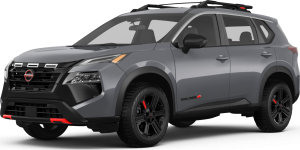
By combining modern Nissan safety technology with smart summer driving courses, Long Island families can give themselves a real edge. Safe driving is a team effort between the driver, the vehicle, and good training. At our dealership in Smithtown, we care about helping families understand both their Nissan and the local driving habits that matter most in summer.
Why Summer Is Prime Time for Driver Safety Training
Hot weather does more than just heat up the sand. It can stress your vehicle too. High temperatures, heavy loads, and long drives can lead to:
- Tire problems, including blowouts when tires are worn or underinflated
- Overheated engines or AC systems working overtime
- Warped brakes from lots of stop-and-go traffic
- Fatigue from sun glare and longer days
Summer is also when you see more road construction, more pedestrians near towns like Bay Shore and Patchogue, and more cyclists around coastal areas. Sun glare during morning and late afternoon drives can make it harder to see brake lights and lane lines.
This is a smart time to sign up new drivers, especially teens, for a driving course. They often have more flexible schedules and extra time to practice. They can build confidence before they face rain, early sunsets, and slick fall and winter roads.
On Long Island, certain risks stand out:
- Stop-and-go traffic on the Long Island Expressway, often without warning
- Sudden slowdowns near beach exits and shopping centers
- Dark, two-lane rural roads in Suffolk County that feel very different at night
- Busy weekend routes heading to Fire Island ferries or Jones Beach
Structured driver training helps people read these patterns and stay ahead of them. A good course teaches drivers to scan far ahead, watch side traffic, and keep safe space around their car, which is especially helpful on local highways and parkways.
How to Choose Nissan Driving Courses in Long Island
When families start looking at Nissan driving courses in Long Island, it helps to know what to look for. Not all courses focus on the same skills, and not every instructor is familiar with modern safety tech.
Strong options often include:
- Instructors who understand common Nissan safety and driver-assist features
- Lessons on defensive driving, not just basic turns and parking
- Real highway practice on roads like the LIE or Southern State Parkway
- Training on local traffic habits, including summer beach traffic
Before you pick a program, it can help to ask a few questions:
- Do you teach how to use driver-assist features, not just ignore them?
- Do students spend time on major highways and parkways, not only side streets?
- Is there a plan for both new drivers and experienced drivers who want a refresh?
- Will the instructor explain how to stay focused even with safety features on?
Courses that mix classroom learning with hands-on time in a vehicle often work best. When drivers learn in or around Nissan vehicles, they see how features like blind spot alerts or emergency braking feel in real time. That way, they do not get surprised by a beep or vibration when it matters most.
Our team can talk with families about what they want from a course, then point them toward local options that line up with those goals. A teen driver might need one type of program, a new commuter another, and an older driver something focused on confidence and comfort.
How Nissan Safety Tech Protects Long Island Families
Many Nissan models include a suite of safety and driver-assist features designed to help you watch what is around you. Depending on the model and trim, you may see technology such as:
- Nissan Safety Shield 360
- Automatic Emergency Braking
- Blind Spot Warning
- Rear Cross Traffic Alert
- Lane Departure Warning
- Intelligent Cruise Control
These features are especially helpful in our area. For example:
- Blind Spot Warning and Rear Cross Traffic Alert can help when you are backing out of a tight spot at a mall, easing out from downtown Smithtown parking, or inching through a crowded beach lot.
- Lane Departure Warning and Intelligent Cruise Control are helpful on long stretches of the LIE and Sunrise Highway, especially during slow weekend traffic or long evening drives home.
- Automatic Emergency Braking with pedestrian detection matters in busy town centers, near schools, and at summer street events, where people may cross between cars.
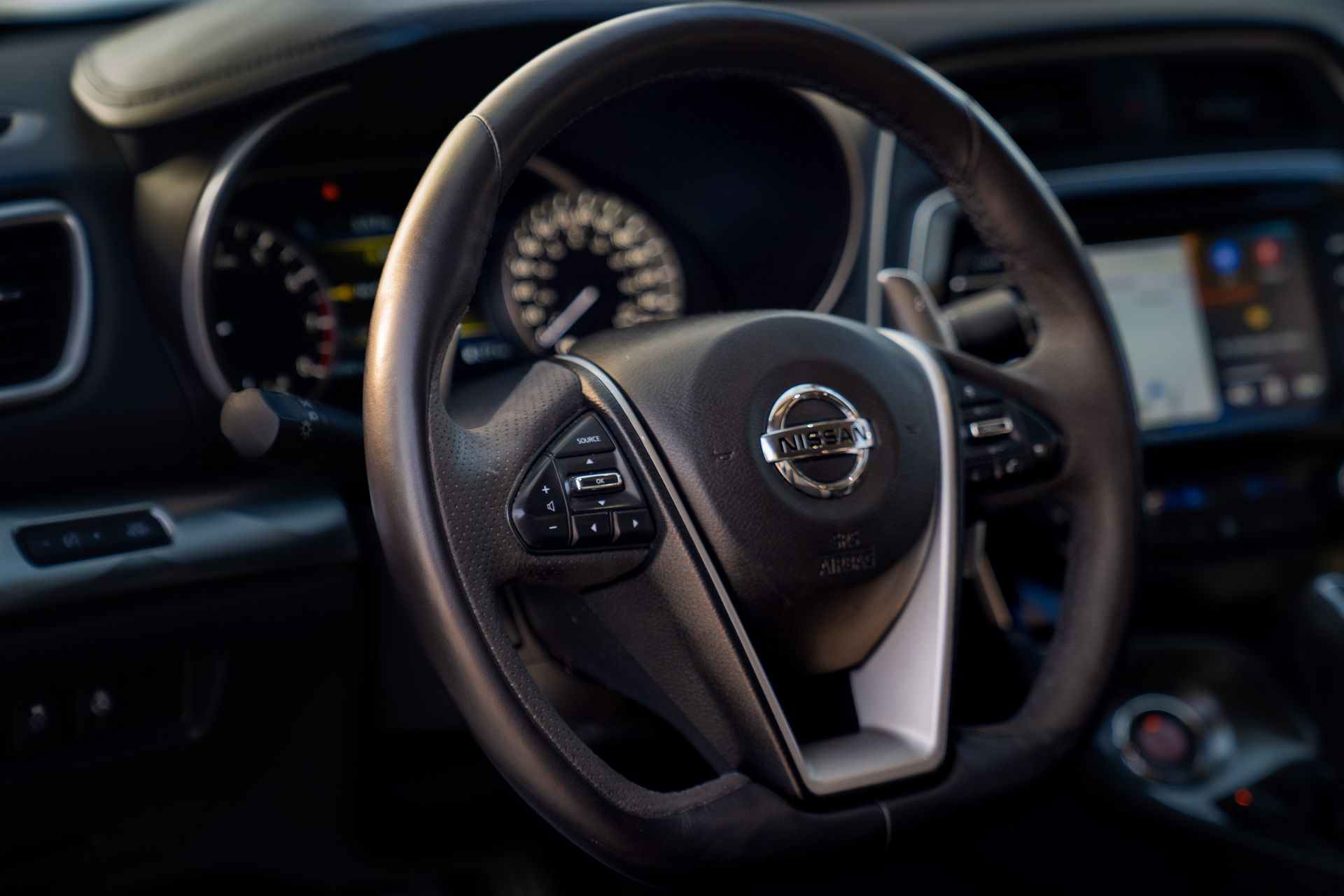
It is important to remember that these systems are there to assist the driver, not to replace careful, focused driving. They work best when the driver knows what each feature does, when it will alert, and what it cannot do. Summer driving courses that talk about modern vehicles can show drivers how to stay in charge, use the tech as an extra set of eyes, and avoid leaning on it too much.
Combining Courses and Nissan Features for Confident Teens
For families with teen drivers, pairing a strong driving course with a Nissan full of safety features can make a big difference in confidence for both parents and teens. Instead of guessing, everyone knows there is a plan.
A simple approach might look like this:
- Enroll your teen in a local course, ideally one that understands modern driver-assist systems.
- Start practice sessions on quieter local roads around Smithtown, then move up to routes like Route 25, Route 347, and, when ready, larger highways.
- Use the safety tools as teaching aids. Let your teen feel what a lane departure alert is like, see how adaptive or Intelligent Cruise Control responds to slow traffic, and talk about why they still must keep their hands on the wheel and eyes on the road.
Many families also find it helpful to create a summer driving agreement. This can include clear rules about:
- Beach trips and how far from home a new driver may go
- Curfews so teens are not driving too late when they are still learning
- How many passengers are allowed in the car
- Smartphone use and rules for music and apps
When teens know what is expected and have strong tools in the vehicle, they are more likely to make safer choices. We can help families explore Nissan models that offer a wide mix of safety features and strong protection, which can be especially reassuring for parents handing over the keys for the first time.
Make Your Next Summer Drive the Safest One Yet
Before traffic builds and parking lots fill up, it pays to take a couple of simple steps. First, look into Nissan driving courses in Long Island that match your family’s needs, whether that is a first-time teen driver, a new commuter, or someone who has not been behind the wheel in a while. Second, spend some time getting to know the safety features in your current or future Nissan so you know exactly how they help on local roads.
At Smithtown Nissan, we are proud to support Long Island families with guidance on choosing vehicles that match their daily driving, clear explanations of how driver-assist features work, and service checks that help keep your vehicle ready for heat, traffic, and long summer trips. When well-trained drivers and modern Nissan safety technology work together, your family can feel more prepared every time you pull out of the driveway.
Gain Confidence With Expert Nissan Driving Guidance Today
If you are ready to feel more confident and prepared behind the wheel, our team at Smithtown Nissan is here to help you take the next step. Explore our Nissan driving courses in Long Island to build your skills with guidance tailored to local roads and real-world conditions. We make it easy to get qualified so you can focus on becoming a safer, more capable driver. Take a few minutes today to get started and see how quickly you can progress.