
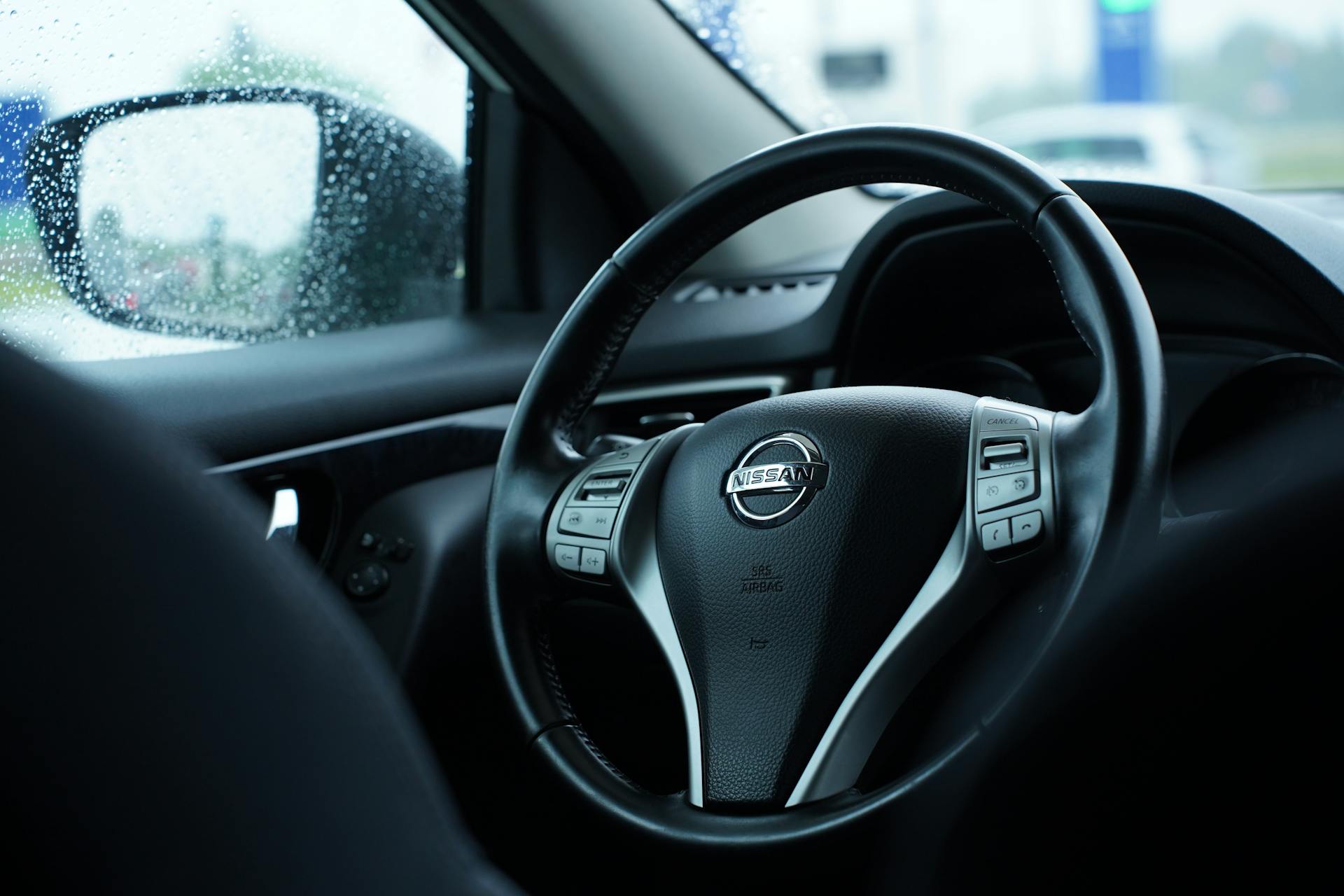
Smithtown Nissan Lease-End Checklist
Ending a lease does not have to be confusing or stressful. When you know what to expect and give yourself enough time, you can avoid surprise fees and walk into your next vehicle with confidence. That is what this lease-end checklist is all about.
We will walk through when to start planning, what happens during inspection, how wear-and-tear fees work, and what to bring on return day. This is especially helpful if you drive a lot around Long Island and Suffolk County, where tight parking, salty roads, and beach trips are part of everyday life.
Avoid Last-Minute Surprises at Lease-End
The end of a Nissan lease usually includes three main steps: a vehicle inspection, the actual turn-in at a dealership, and then choosing what you want to do next. If you wait until the last week, small issues can turn into big headaches, especially if you still need a way to get to work, school, or the station.
Planning 60 to 90 days in advance matters because it gives you time to:
- Understand your lease terms and mileage
- Fix minor issues before they become chargeable
- Decide if you are returning, buying, or leasing another Nissan
With a clear checklist, you lower stress, cut down on surprises, and reduce the chance of being without a vehicle between leases. Local drivers have unique needs, from dealing with winter roads to busy summer traffic, so having a plan that fits your schedule makes a big difference.
Timeline: When to Start Your Lease-End Prep
Think of lease-end prep as a simple countdown. Spreading tasks over a few months keeps everything easy and manageable.
About 90 to 120 days before lease-end:
- Re-read your lease agreement
- Note your mileage allowance and current odometer reading
- Review wear-and-tear guidelines from your lease company
- Mark your official lease-end date on your calendar
Around 60 to 90 days before:
- Arrange a pre-return inspection so you know what to expect
- Start comparing your Nissan lease-end options in Smithtown, like returning the vehicle, buying it, or leasing a newer model
- Keep upcoming travel in mind if you expect to put on extra miles
About 30 days before:
- Confirm your turn-in visit with the dealership
- Gather key documents like registration and maintenance records
- Make sure you have all keys, key fobs, and manuals
- Plan how you will get home or into your next vehicle on return day
Mastering Your Lease-End Inspection
The inspection is where your vehicle is checked for its overall condition. Inspectors follow a set of guidelines from the lease company, and they look at both the outside and inside of the vehicle.
They usually check:
- Exterior body panels for dents and scratches
- Glass for chips and cracks
- Tires and wheels for damage and tread depth
- Interior seats, carpeting, and trim for stains, tears, burns, and odors
- Any aftermarket changes that were made to the vehicle
Before the official inspection, a team at the dealership can walk around the vehicle with you. This type of pre-inspection review helps you see what might count as chargeable damage. It is a good chance to ask questions and understand what is considered normal use.
You can also do a simple at-home check:
- Use a credit card as a quick gauge: dents larger than the card may be an issue
- Look for scratches that go through the paint
- Check that your tire tread is not worn down to the wear bars
- Test lights, wipers, power windows, infotainment, and safety features
Understanding Wear-and-Tear Fees Before You Are Charged
Normal wear and tear usually covers the small stuff that comes with everyday driving. This can include light surface scratches, minor fabric wear, or a few tiny rock chips on the hood. Excessive wear and tear is damage that goes beyond that, and it is where fees may come in.
On Long Island, some common examples include:
- Curb rash on wheels from tight parallel parking
- Stains from sand, salt, or slush on carpets and seats
- Deep scratches from parking lot bumps
- Chipped or cracked windshields from debris
Typical fee categories often include:
- Extra mileage over your agreed limit
- Body and paint damage
- Windshield chips or cracks that need more than a simple repair
- Worn tires below the required tread depth
- Bent or damaged wheels
- Missing keys, remotes, or accessories that came with the vehicle
You may be able to lower costs if you act early. Some drivers choose to repair small dents or replace very worn tires with ones that meet the lease standards before the final inspection. It also helps to round up all original items such as cargo covers, floor mats, and headrests so nothing is marked as missing.
Return-Day Steps at the Dealership
By the time return day arrives, the process should feel simple and clear. A little prep the week before makes the visit smooth and quick.
Plan to bring:
- Your driver’s license
- Vehicle registration and proof of insurance
- All keys and key fobs
- Owner’s manuals and any original accessories
- Any lease or inspection paperwork you have received
On the day itself, you will check in with the dealership team and let them know you are here for a lease return. They will record the odometer reading, do a quick walk-around, and confirm that everything matches your inspection report. You will then review and sign documents that show the vehicle has been turned in.
If you already picked your next step, you can often move directly into that plan, whether it is purchasing your current Nissan or starting fresh with another model that better fits your current commute, family size, or weekend plans.
Choosing Your Next Move: Return, Buy, or Lease Again
As your lease ends, you usually have three main choices. You can simply return the vehicle and walk away, buy your current Nissan, or enter into another lease on a different model.
Buying out your lease can make sense if:
- Your mileage is low for the term you had
- The vehicle is in excellent condition
- The buyout price in your agreement compares well with current market values
Leasing another Nissan appeals to many drivers who like:
- Access to newer safety and driver-assist features
- Improved fuel efficiency or electrified options
- Different body styles, such as switching from a sedan to an SUV
- The flexibility to adjust mileage or model as life changes
When you are ready to move forward, we at Smithtown Nissan are here as your local lease-end team. We understand how people drive in our area and can help you compare Nissan lease-end options in Smithtown so you can choose the path that fits your daily life and future plans.
Explore Flexible Lease-End Paths That Fit Your Needs
If your lease is ending soon, we can walk you through all your choices so you feel confident about what comes next. Whether you want to upgrade to a new model, purchase your current vehicle, or explore other options, we will help you find the plan that fits your budget and lifestyle. Start comparing your choices today by reviewing our Nissan lease-end options in Smithtown and see what works best for you at Smithtown Nissan.