How Smithtown Drivers Can Make Sense of Safety Ratings
Safety ratings matter a lot when you are driving on Long Island. Between heavy traffic, quick weather changes, and busy summer road trips, you want to know how well your vehicle can help protect you and your passengers. Many shoppers ask us what these ratings really mean and how to use them while car shopping.
Safety ratings are scores given to vehicles after controlled crash tests and safety checks. The two main groups that do this are NHTSA, a government agency that uses a 5-star scale, and IIHS, an independent group that gives awards like Top Safety Pick. Both groups test how a vehicle protects people in a crash and how likely it is to roll over.
In this post, we will go through the big questions drivers ask us about Nissan safety ratings in Smithtown. Our goal is to make things simple, clear, and useful so you can feel confident when you pick your next Nissan for your life on Long Island roads.
Who Decides Nissan Safety Scores and What They Mean
Two names come up again and again when people talk about safety scores: NHTSA and IIHS. They both crash vehicles on purpose in a controlled way, then score how well they perform.
NHTSA uses:
- An overall 5-star rating
- Frontal crash ratings
- Side crash ratings
- Rollover ratings
IIHS looks at different crash types, including:
- Small overlap front, where only part of the front corner hits
- Moderate overlap front, a wider front impact
- Side impacts
- Roof strength and head restraints
On Long Island, this matters more than it may sound. Frontal and overlap tests relate to the kind of fender benders and intersection crashes that can happen on Route 347, local parkways, and stop-and-go local streets. Side impact ratings matter in parking lot situations and busy multi-lane roads.
A big question we hear: Is a 4-star rating good enough? Many drivers feel comfortable with 4 stars, especially if the vehicle also has strong ratings in the specific areas that match how they drive most of the time. When you compare trim levels or different model years, it helps to check:
- Overall rating first
- Any changes in frontal or side scores
- Whether advanced safety features are standard or optional
That way you are not just looking at a single number; you are looking at the full safety picture.
Which Nissan Models Earn Top Safety Marks in Smithtown
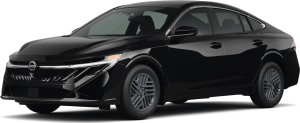
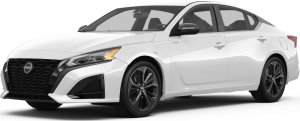
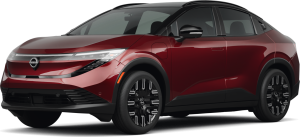
Many shoppers come in asking which Nissan models tend to do well in safety testing. Popular choices that often earn strong safety marks include:
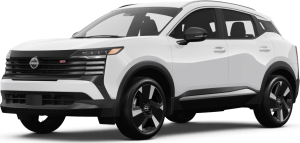
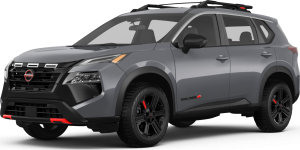
- Nissan Rogue, a favorite for families and commuters
- Nissan Altima, a comfortable sedan for daily driving
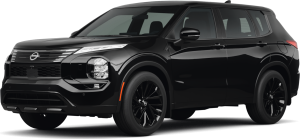
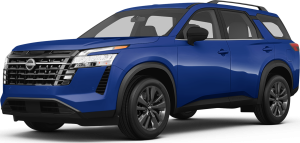
- Nissan Pathfinder, for drivers who want three rows
- Nissan Sentra, a compact car that is easy to park
- Nissan Ariya, for those interested in an electric crossover
Exact ratings can change by model year and trim, so it is always smart to ask about the specific vehicle you are considering. Some trims include more advanced safety features as standard, while others may offer them in optional packages.
Families often ask if they should pick a higher safety rating over comfort features like leather seats, larger wheels, or premium audio. The honest answer is that safety features and safety ratings are usually worth putting at the top of your list. Features that help protect you in a crash or help you avoid one in the first place will matter more in a tough moment than nicer leather or bigger speakers ever can.
Nissan Safety Shield 360 Explained for Everyday Driving
Nissan Safety Shield 360 is the name for a group of available driver assist features that are built to help you in everyday driving. The names can sound tech-heavy, so here is what they mean in simple terms:
- Automatic Emergency Braking with Pedestrian Detection: Can warn you and apply the brakes if a car or person is in your path. Helpful in stop-and-go traffic around town or when someone cuts in front of you on a busy road.
- Blind Spot Warning: Lets you know if a vehicle is in the lane next to you, especially helpful when changing lanes in tight traffic on local highways.
- Lane Departure Warning: Alerts you if you start to drift out of your lane without signaling, which can be helpful on longer highway drives.
- Rear Cross Traffic Alert: Warns you if a vehicle is crossing behind you when you are backing out of a parking spot, useful in crowded lots like malls or shopping centers.
- Rear Automatic Braking: Can apply the brakes if it senses something behind you while backing up.
- High Beam Assist: Turns your high beams on and off when needed to help you see better on darker roads without blinding other drivers.
One of the biggest questions we get is if these systems replace careful driving. They do not. These features are meant to support an alert driver, not drive for you. They can help reduce the chance of an accident or reduce the impact if something happens, but you still need to stay focused, follow traffic laws, and drive defensively.
Seasonal Safety Questions Long Island Drivers Ask Most
When summer hits, many Smithtown drivers start planning longer trips, beach runs, and visits to see family and friends. That leads to new questions about how Nissan safety ratings in Smithtown connect to highway rides and crowded weekend traffic.
For summer and wet-weather driving, people often ask about:
- How the vehicle brakes in the rain
- Whether stability control helps in quick lane changes
- How available all-wheel drive can help with traction
Ratings that cover braking, control, and rollover risk are helpful when you deal with heavy storms, wet roads, and quick changes in traffic flow.
Families also ask a lot about younger drivers. If you are picking a vehicle for a teen heading to a job, practice, or summer activities, strong crash scores and driver assist tech can be especially reassuring. Features like Automatic Emergency Braking, Lane Departure Warning, and Blind Spot Warning can add extra layers of protection while new drivers are still building their skills and experience.
How to Compare Safety When You Visit Smithtown Nissan
When you visit the showroom, it helps to have a simple plan for comparing safety across models. You can use a quick step-by-step approach:
- First, narrow down what kind of vehicle you want: sedan, SUV, or something else.
- Ask to see the safety information for each model you are considering, including NHTSA and IIHS scores when available.
- Compare overall ratings, then look at frontal, side, and rollover scores.
- Check which safety features are standard and which require a higher trim or package.
- Take a test drive and try out features like blind spot warnings or parking alerts so you can feel how they work.
Our product specialists at Smithtown Nissan can walk you through specific crash test results, explain what each score means, and show you how the safety tech works in real time. You can tell us about your usual driving routes, like highways, back roads, or frequent school runs, and we can help you compare models based on the safety features that match the way you actually drive.
Experience Proven Protection On Every Drive
If you are ready to choose a vehicle that keeps you and your passengers safer, let our team at Smithtown Nissan walk you through the latest crash-test data and advanced driver-assist technologies. Explore models with top-tier Nissan safety ratings in Smithtown and see how features like automatic emergency braking, blind spot monitoring, and lane intervention work in real-world conditions. We will help you compare trims, review safety options, and schedule a test drive so you can feel the difference for yourself.