1. Check tire pressure and tread
Start with your tires, because they're the only part of the car touching wet leaves and cold pavement. Tire pressure drops as temperatures fall, so a tire that looked fine in August can be soft by October. Check pressure in the morning before you drive, and fill to the number on the sticker inside the driver's door jamb, not the one molded into the sidewall.
Next, look at the tread. Slide a penny into a groove with Lincoln's head pointing down. If you can see the top of his head, there isn't enough tread left for slick, leaf-covered roads. Test several spots on every tire, since uneven wear can point to an alignment problem.
While you're down there, look for:
- Bulges, cracks or cuts in the sidewall
- Nails or screws in the tread
- A spare that holds air, plus a working jack and lug wrench
Some cars come with a tire repair kit instead of a spare. Find yours now and read the instructions at home, not on a dark shoulder with traffic going by.
2. Get the battery tested
Cold mornings are hard on batteries. Summer heat wears them down quietly, and the first chilly start is often when a weak one finally quits. That's a bad surprise at a trailhead parking lot hours from home.
Watch for these warning signs:
- Slow, labored cranking when you start the car
- Headlights that dim while idling
- A battery warning light on the dash
- White or green crust on the terminals
A battery test takes only a few minutes at most service departments, and it tells you how much life is left. If your battery is a few years old, getting it checked before a long drive is cheap insurance. Clean any corrosion off the terminals with a wire brush and make sure the cables are snug.
Throw jumper cables or a portable jump starter in the trunk. A charged jump pack is the better pick for remote areas, since you don't have to wait for another driver willing to stop and help.
3. Make sure you can see and be seen
Fall cuts daylight short, and when clocks fall back in early November, plenty of drives home happen in the dark. Add valley fog, low sun and a hazy windshield, and visibility gets worse fast.
Lights
Turn on your headlights, signals and hazards, then walk around the car. Ask someone to press the brake pedal while you check the brake lights. Cloudy, yellowed headlight lenses can be restored with a kit or replaced, and either one makes a real difference on unlit rural roads.
Wipers and glass
A hot summer hardens the rubber on wiper blades. If yours streak, chatter or leave a haze, swap them out. You can get the right size through our parts department.
Top off with a washer fluid that's rated not to freeze. Then clean the inside of the windshield, too. That interior film is what turns a low autumn sun into blinding glare at exactly the wrong moment.
4. Check brakes, fluids and the heater
Wet leaves make stopping distances longer, so your brakes need to be in good shape. Pay attention to squealing, grinding, a pedal that feels soft or sinks, or a car that pulls to one side when you stop. Any of those is worth a professional look before the trip, not after.
Pop the hood and check:
- Engine oil level and color
- Coolant level in the overflow reservoir
- Brake fluid level
- Washer fluid, if you haven't already
Coolant matters more as nights get colder, since the right mix keeps it from freezing. Never open the radiator cap on a hot engine. If your dash is showing a maintenance reminder, take care of it now instead of halfway to Vermont.
Finally, run the heater and defrosters before you need them. Turn on the front defrost and the rear window defroster and make sure both clear the glass. Running the A/C with the defroster dries the air and clears fog faster, which helps on damp fall mornings.
5. Pack a cold-weather emergency kit
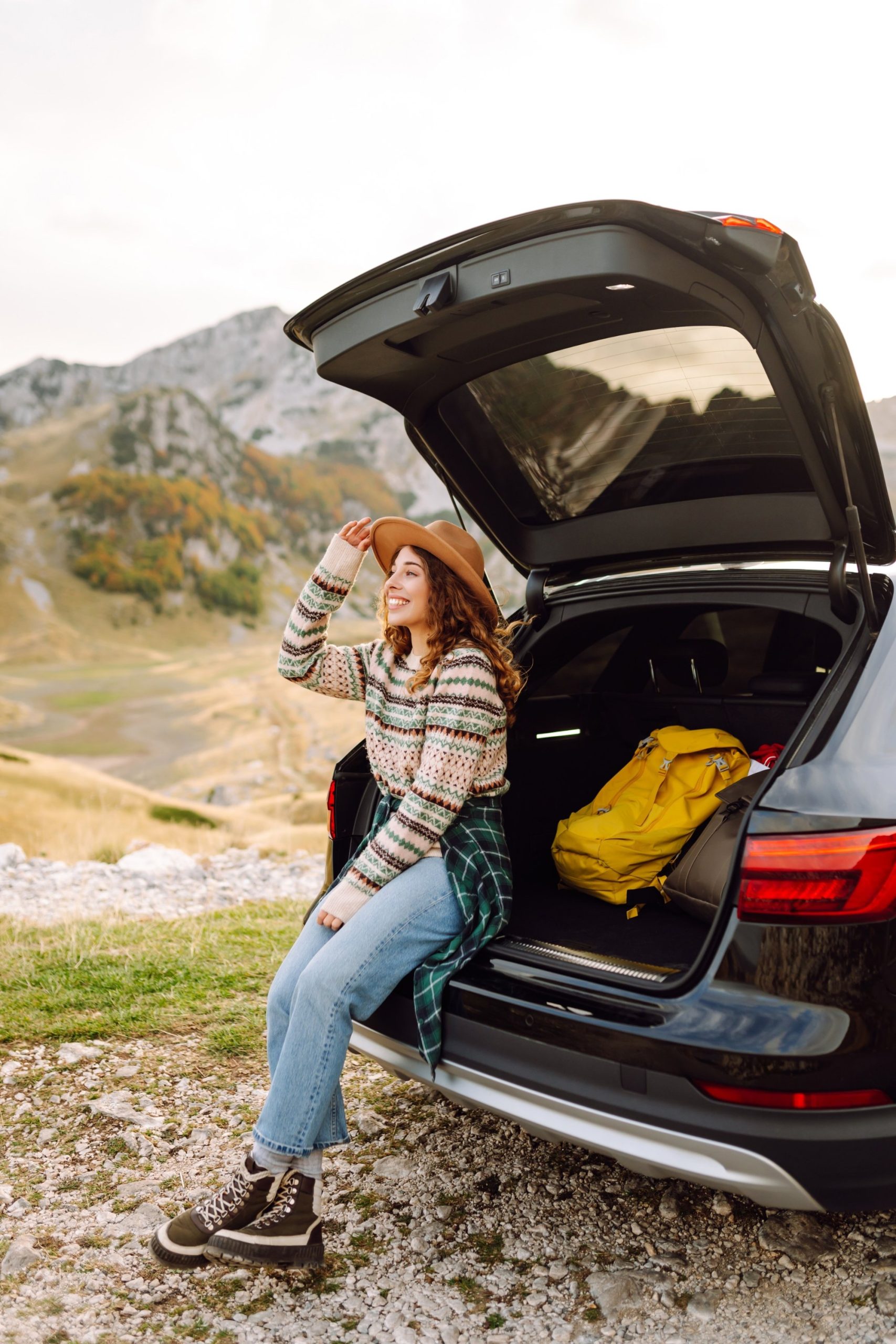
Mountain towns and state parks often have spotty phone signal, and temperatures drop quickly after sunset. Pack as if you might wait a while for help, even if you probably won't.
A solid fall kit includes:
- A warm blanket, plus a hat, gloves and an extra layer for everyone in the car
- A flashlight or headlamp with spare batteries
- A phone charging cable and a charged power bank
- Water and snacks that won't spoil
- A basic first-aid kit and any medications you rely on
- An ice scraper, since higher elevations can see frost or early snow
- Reflective triangles or road flares
- Rain gear and a pair of boots
- A paper map of the area you're visiting
That paper map sounds old-fashioned until your phone loses signal on a winding back road. Keep heavier items low and secured so they don't shift under hard braking. Store the kit where you can reach it without unloading all your luggage on the side of the road.
6. Plan around daylight, deer and traffic
Your route deserves as much attention as your car. Fall brings hazards that summer doesn't, and a little planning avoids most of them.
Deer and wet leaves
Deer move most around dawn and dusk, and fall is their mating season, so they cross roads without warning. If one appears, brake firmly and stay in your lane. Swerving often causes worse crashes than the deer would. Where you see one, expect more behind it.
Wet leaves can be as slick as ice, and they hide potholes and lane markings. Slow down on leaf-covered stretches and leave extra space behind the car ahead.
Timing and fuel
Peak foliage weekends bring heavy traffic and full parking lots. Leave early, go on a weekday if you can, and aim to be off unfamiliar roads before dark. Gas stations get sparse in rural areas and some close early, so fill up before you leave the highway. Let someone at home know your route and when you plan to arrive.
7. What to do next
Here's a simple timeline that keeps the prep from piling up the night before.
- One to two weeks out: Get a pre-trip inspection so there's time to order parts or fix anything it finds.
- A few days out: Pack your emergency kit, replace wiper blades and top off fluids.
- The night before: Check tire pressure, fill the tank, charge your devices and look at the weather where you're headed.
- Departure morning: Clear every window fully and give the defroster a minute before you pull out.
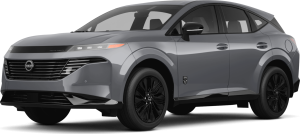
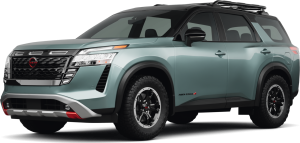
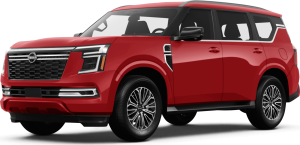
If you'd rather have a technician handle the tires, battery, brakes and fluids in one visit, you can book a service appointment with us in St. James. At Smithtown Nissan we treat customers like family, which means we'll tell you plainly what needs attention now and what can wait.
Some shoppers find their current car isn't up for long trips anymore. We sell both new Nissans and used vehicles, so we're glad to talk through options with no pressure. Either way, the goal is the same: a trip where the only thing you're thinking about is the view.
St James, NY
- Cold air lowers tire pressure and exposes weak batteries, so check both before you leave.
- Fall driving means more darkness, more deer and wet leaves, so make sure you can see clearly and give yourself room to stop.
- Book a pre-trip inspection a week or two out so there's time to fix anything it turns up.
FAQ Common questionsHow far ahead should I get my car checked before a fall road trip?One to two weeks is a good window. It's close enough to the trip that nothing new should come up, and it leaves time to order parts if the inspection finds worn brakes, a weak battery or tires that need replacing. Do I need winter tires for a fall foliage trip?For most fall trips, all-season tires with good tread and correct pressure are fine. If you're heading into the mountains late in the season, check the forecast, since higher elevations can get early snow. In that case, consider winter tires or move your trip earlier. My tire pressure light comes on during cold mornings. Is that a problem?It's common, because cold air lowers tire pressure. Check all four tires and fill them to the number on the driver's door jamb sticker. If the light keeps coming back after you've filled them, you may have a slow leak, and it's worth having that looked at before a long drive. What should I do if I hit a deer?Pull over somewhere safe, turn on your hazard lights and stay away from the animal, since an injured deer can be dangerous. Call the police so there's a report, take photos of your car and the scene, and contact your insurance company. Don't keep driving if fluids are leaking, a light is broken or the car handles strangely. |
Want to see it in person? Browse what is on the lot right now, or come by and see it in person. Or call (631) 880-4990 · 960 Middle Country Rd, St James |