
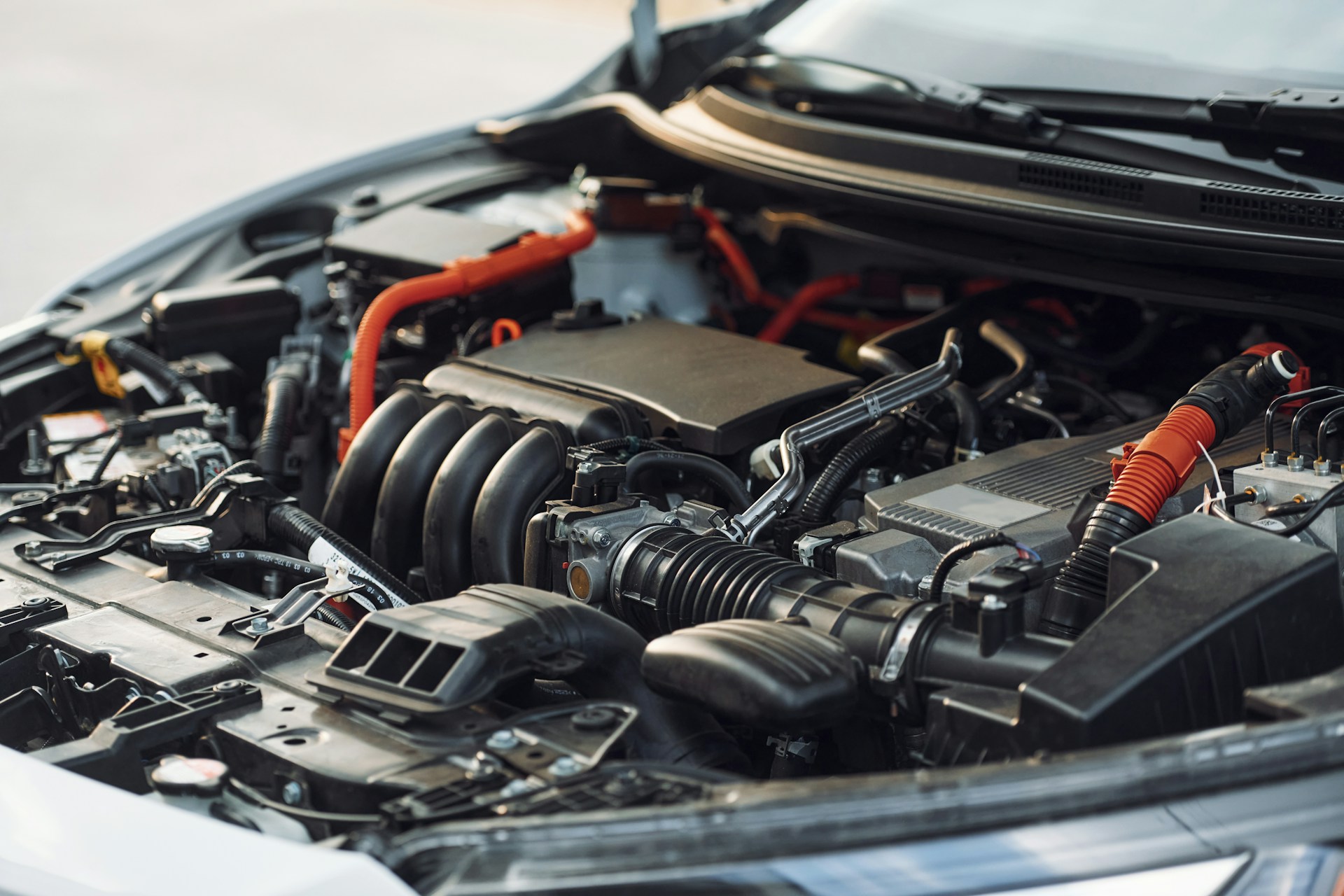
Transmission leaks in a vehicle can start off as small annoyances and gradually evolve into major headaches if not addressed quickly. When your vehicle's transmission leaks fluid, it impacts how smoothly the car runs and can potentially lead to severe damage if neglected. Recognizing and fixing these leaks promptly is critical to maintaining your vehicle's performance and extending its lifespan.
In Suffolk County, the keyword "Nissan Parts" carries weight, pointing to the importance of using high-quality parts and professional services. When a transmission fluid leak is suspected, it becomes essential to act swiftly to prevent additional wear and tear. By understanding the signs and causes of transmission leaks, you can take proactive steps to keep your Nissan running efficiently.
Identifying Signs of Transmission Leaks
Spotting a transmission leak early can save you time and money down the road. Here are common indicators that your vehicle might be experiencing a leak:
- Fluid Spots Under the Car: Red or dark spots on the driveway could be transmission fluid. Checking the color and consistency of the fluid can help identify the leak.
- Unusual Noises: If you hear clunking or whining sounds when the car shifts gears, it might be linked to low transmission fluid levels caused by a leak.
- Gear Slipping: When gears change without any input from the driver, it suggests a problem with the transmission's fluid levels or pressure.
- Check the Fluid Color: Healthy transmission fluid typically appears bright red. If it looks dark or has a burnt smell, it's time for a check.
Regular vehicle checks are key in catching these problems early. Scheduled maintenance ensures you’re not driving with a slow leak that's quietly causing damage. It's wise to pay attention to these signs and ascertain whether a deeper issue might be at play, allowing for timely interventions that utilize Nissan parts available right here in Suffolk County.
Causes of Transmission Leaks
Several common factors might lead to transmission leaks, each of which can affect vehicle performance and safety. Here's what to watch out for:
- Worn-out Seals: Over time, seals can wear out and crack, allowing fluid to escape. These seals are designed to last for years but can degrade due to heat and pressure.
- Damaged Pan Gaskets: The gasket might develop cracks or breaks, often due to old age or tightening the bolts improperly, contributing to fluid loss.
- Loose Bolts: Bolts that are not tightened to specification can vibrate loose, leading to gaps and leaks around the pan or covers.
- Physical Damage: Unexpected road debris can damage parts under the car, like the transmission pan, causing a leak.
- Old Fluid: Not replacing old fluid can cause it to thicken and damage the seals, resulting in possible leaks.
Understanding these causes helps in diagnosing potential issues and taking action before the problem worsens. Being aware of the steps necessary for diagnosing and repairing these issues can provide peace of mind and help maintain the longevity of your transmission system.
Steps to Fix Transmission Leaks
Fixing transmission leaks requires a bit of detective work and some hands-on attention. This involves understanding where leaks are happening and how best to address them. Here are some steps to guide you:
1. Locate the Leak: The first step is to identify exactly where the fluid is leaking. Check around the transmission pan, seals, and other joints. Use the color and consistency of the fluid to confirm it's a transmission leak.
2. Inspect Seals and Gaskets: Once you've pinpointed the leak, inspect all seals and gaskets for damage or wear. Replace any worn-out components to stop the fluid from escaping.
3. Tighten Bolts: Check all bolts around the transmission area. Loose bolts can create tiny gaps that allow fluid to leak. Carefully tighten them to the manufacturer's specifications.
4. Replace Transmission Pan: If the pan itself shows any signs of damage or corrosion, consider replacing it. A new pan could be necessary to prevent further issues.
5. Use Genuine Parts: When replacing any components, it's wise to use genuine Nissan parts. This ensures compatibility, durability, and alignment with Nissan's engineering.
These steps help ensure that leaks are not only stopped but also prevent future occurrences, maintaining your vehicle's performance and safety.
Professional Transmission Repair Services
When you're dealing with transmission issues, sometimes the best solution is to seek professional help. Expert mechanics have the tools and experience needed to handle these challenges efficiently. Here’s why consulting professionals can be beneficial:
- Expert Diagnosis: Professionals can accurately diagnose the root cause of leaks, even if they've evaded visual inspection. With specialized equipment, they can spot issues that might be missed otherwise.
- Skillful Repairs: Experienced mechanics offer skilled repair services, ensuring that seals, gaskets, and other components are installed correctly. This minimizes the chances of recurrence.
- Time-Saving: DIY attempts might require numerous attempts and trials. A professional can fix the issue in a fraction of the time, saving you effort and stress.
- Quality Assurance: With professionals, you're assured that the job has been done right. They often provide guarantees on their work, adding an extra layer of confidence.
Using professional services ensures that your vehicle is in good hands, allowing you to drive with peace of mind.
Keeping Your Nissan in Top Shape
Regular maintenance is key to extending the lifespan of your vehicle and it's no different with transmission care. By addressing leaks promptly and ensuring your transmission is functioning properly, you safeguard against long-term damage and keep the car running smoothly.
Think of maintenance as an investment in your vehicle's future. Just like how you'd care for a prized possession, regular checks and timely repairs protect your Nissan from costly breakdowns. Ensuring your vehicle receives genuine parts and expert service, especially when dealing with complex systems like the transmission, is vital to its performance.
Remember, keeping a close eye on your transmission and promptly addressing any leaks can save you from more significant repairs. Prioritize its health and enjoy the peace of mind that comes with a well-maintained vehicle.
If you're keen to ensure top performance from your vehicle, look no further than Smithtown Nissan for quality service and genuine Nissan parts. Using the right components, such as Nissan parts in Suffolk County, can make all the difference when it comes to reliably managing and repairing transmission leaks. Don't leave important maintenance to chance—reach out to us, and let's keep your Nissan running at its best.