
Oil leaks are a common issue that can affect the performance and longevity of your car. Nobody enjoys seeing those oily spots on the driveway, and ignoring them can lead to bigger problems down the road. Addressing these leaks quickly is crucial for maintaining your Nissan's health and ensuring smooth rides ahead. By tackling oil leaks early, you can avoid costly repairs and keep your car in top shape.
Despite their routine nature, oil leaks can be handled with the right knowledge. Recognizing the symptoms and understanding the common causes will help you take steps to remedy this problem. Whether it's a minor drip or something more significant, getting a handle on what's going on under the hood can make all the difference.
Common Causes of Nissan Oil Leaks
Oil leaks in Nissan vehicles can stem from a variety of sources. Knowing where these leaks tend to occur is half the battle in fixing them. Here are some of the usual culprits:
1. Worn Gaskets and Seals: Over time, gaskets and seals might break down due to heat and pressure, leading to leaks. The valve cover gasket, oil pan gasket, and rear main seal are typical spots where leaks may begin.
2. Oil Filter Issues: An improperly installed oil filter or an outdated one can also be problematic. A filter not properly secured can allow oil to seep out.
3. Oil Drain Plug: The oil drain plug is another place where leaks can occur if it becomes loose or the washer wears out.
4. Damaged or Cracked Engine Components: External damage to the oil pan or engine block could cause oil to escape. This damage may happen from road debris or hitting something solid.
Noticing and understanding these causes can prevent the leaks from getting worse. If you spot an issue, it's wise to address it promptly to minimize damage. Ensuring tightness and integrity in these areas is vital for keeping your engine oil where it belongs—inside the vehicle part it's supposed to be.
Identifying Oil Leak Symptoms
Spotting an oil leak is often straightforward if you know what to look for. Here are some signs you might notice if your car starts leaking oil:
- Oil Spots Under the Car: One of the most obvious signs is finding oil puddles on the ground where your car has been parked.
- Burning Oil Smell: A strong, burnt odor could indicate oil dripping onto hot engine parts.
- Smoke from the Engine: If oil spills onto the exhaust system, it might generate smoke. This is a clear sign to investigate further.
- Engine Oil Light on the Dashboard: The oil light might illuminate if the oil level drops significantly due to a leak.
Recognizing these symptoms early on gives you a head start in addressing the problem. Paying attention to your vehicle's behavior and the messages it's sending can help you take swift action before the issue escalates.
Steps to Address a Nissan Oil Leak
When it comes to fixing oil leaks, catching the problem early can save you a lot of stress. Here's a simple guide to help you address these pesky leaks:
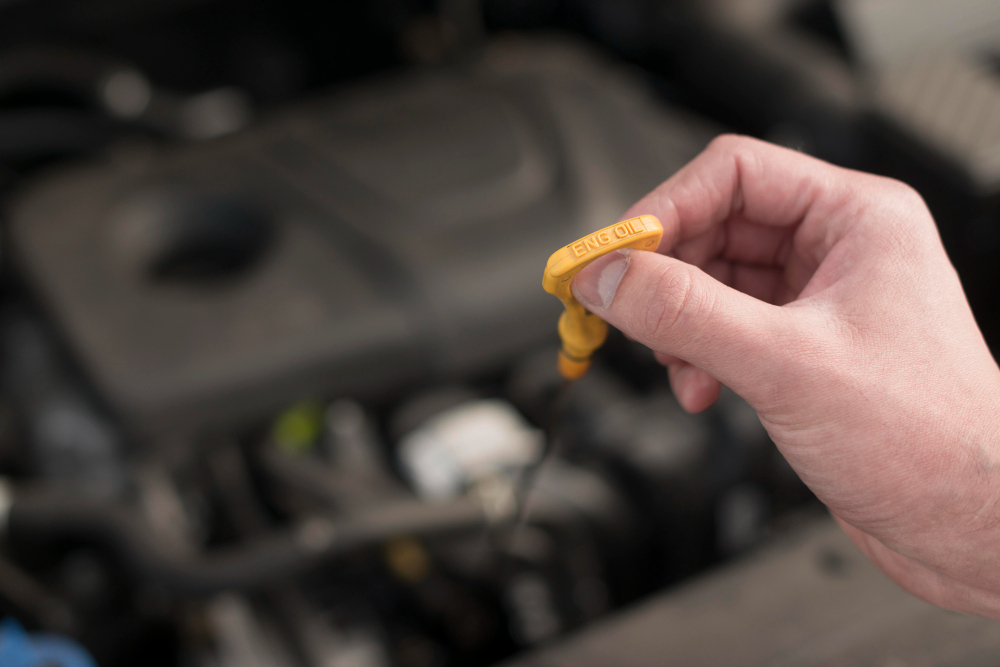
1. Check the Oil Level: Make sure your engine has enough oil. If the level is low, top it off temporarily, but remember this is just a short-term fix.
2. Inspect the Source: Look under the hood. Pay attention to areas where leaks commonly start, like gaskets, seals, and the oil pan. A flashlight can help you spot oil in hard-to-see corners.
3. Examine the Oil Filter and Drain Plug: Ensure both are secure and in good condition. If they're loose, use a wrench to tighten them, but be careful not to overdo it as this can cause further damage.
4. Use Genuine Nissan Parts: Replacement parts, especially in Suffolk County, are essential for reliable repairs. These parts are specifically made for your Nissan, ensuring a snug fit and reduced risk of future leaks.
5. Consult a Professional Mechanic: Sometimes, expert help is necessary. If you're unsure or the problem persists, a professional can diagnose and fix the issue safely.
Preventive Measures to Avoid Future Oil Leaks
To keep your Nissan running smoothly, regular maintenance and a few simple habits can prevent future oil leaks effectively:
- Change Oil Regularly: Scheduled oil changes are vital. Follow your vehicle's recommended service interval to keep things running smoothly.
- Use High-Quality Oil: Stick to the recommended oil type for your Nissan. High-grade oils provide better lubrication, reducing wear and tear on your engine.
- Routine Inspections: Regular checks of gaskets, seals, and other areas prone to leaks can catch issues before they develop into serious problems.
Performing these preventative actions will keep your Nissan in great shape, helping avoid another round of leaks and the troubles they bring.
Drive with Confidence
Addressing oil leaks quickly not only prolongs your car's life but also enhances your peace of mind. By understanding common causes and symptoms, handling repairs in a timely manner, and implementing preventive measures, you place yourself in the best position to enjoy a trouble-free driving experience.
Owning a car comes with its set of responsibilities, and keeping an eye on oil leaks is one of them. With the right approach and awareness, you can keep your Nissan in top form without unnecessary stress. Remember, taking timely action today saves more than just money; it ensures continued reliability and performance.
Ensure your Nissan runs smoothly by addressing oil leaks promptly. For top-quality vehicle upkeep, rely on Smithtown Nissan for all your needs. Explore genuine Nissan parts in Suffolk County to maintain your car’s reliability and keep those leaks at bay. Whether it's a minor fix or a major repair, trust the experts to keep your ride in peak condition.